


€ 46,80 Gratis verzending

Uitgelicht
|
|
46,80 |
Naar shop
|

|
49,85 |
Naar shop
|

|
49,85 |
Naar shop
|
| VERGELIJK ALLE AANBIEDERS (3) | ||
 Beschrijving
Vergelijk aanbieders (3)
€ 46,80 Gratis verzending
€ 49,85 Gratis verzending
€ 49,85 Gratis verzending
Winkels met andere maten
Beschrijving
(1)
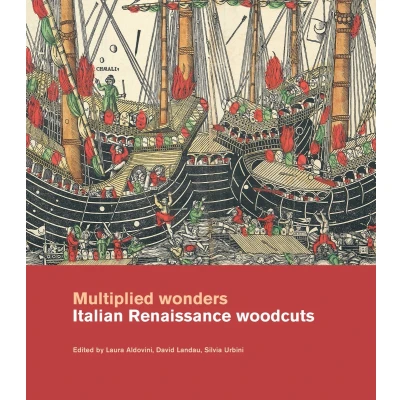
A landmark study of an underappreciated printmaking technique – the woodcut – exploring its explosion in popularity and subsequent fall from favour. The woodcut technique was notably popular during the Italian Renaissance, when artists would create designs for specialist cutters to transform into woodcuts for printing. This publication explains the regional differences in the production of woodcuts, highlighting the leading schools, designers and cutters, and charts how and why such a flourishing aspect of Italian print production declined so quickly in favour of engraving. The technical requirements behind cutting into a block of wood and foreseeing what would be printed in relief were formidable, a challenge that attracted first-rate artists. The medium inspired designs of extraordinary ingenuity and beauty across a broad range of subjects, such as landscapes, mythology, devotional images and imagined portraits. Some of the resulting prints were on a spectacular scale, such as Titian’s Submersion of the Pharaoh’s Army in the Red Sea, which is over 2 metres long. With a few exceptions, woodcuts fell out of favour after the mid-sixteenth century, when the medium became confined to the cheap, popular end of the print market and was neglected by collectors. This change in status means that many works in the Museum’s collection are either the sole surviving examples or one of just a handful. This generously illustrated book focuses on a little-studied aspect of Italian printmaking, exploring stunning works in generous detail to reveal their hidden depths.
 Prijshistorie
 * Prijshistorie bevat geen data van Amazon, Amazon Marketplace.
Prijzen voor het laatst bijgewerkt op:
 Gerelateerde resultaten
 Productspecificaties


