


€ 47,99 Gratis verzending

Uitgelicht
|
|
47,99 |
Naar shop
|

|
53,49 |
Naar shop
|

|
53,49 |
Naar shop
|
| VERGELIJK ALLE AANBIEDERS (3) | ||
 Beschrijving
Vergelijk aanbieders (3)
€ 47,99 Gratis verzending
€ 53,49 Gratis verzending
€ 53,49 Gratis verzending
Winkels met andere maten
Beschrijving
(1)
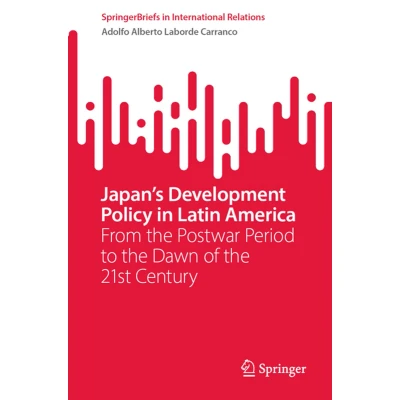
One of its core contributions is the periodization of four policy moments—war reparations (1945–1960), export-promotion aid (1960–1970), aid as a diplomatic resource (1970–1980), and aid as a foreign-policy instrument (1980–2001)—that explain the shift from postwar cooperation to active economic diplomacy. This book examines, with a particular emphasis on Brazil, how Japan’s Official Development Assistance (ODA) intertwined with its economic diplomacy toward Latin America between 1960 and 2001. Using a neorealist lens and a comparative design that links ODA time series to trade balances and inward foreign direct investment, the book tests the correlation between aid, trade, and investment. It documents the roles of state agencies—MOFA, MITI/METI, JETRO, JBIC/JICA—and the sogo shosha in expanding productive capacities and generating persistent trade surpluses with the region. One of its core contributions is the periodization of four policy moments—war reparations (1945–1960), export-promotion aid (1960–1970), aid as a diplomatic resource (1970–1980), and aid as a foreign-policy instrument (1980–2001)—that explain the shift from postwar cooperation to active economic diplomacy. By moving beyond descriptive inventories to a causal account of ODA as a mechanism of economic insertion, the book provides historical evidence and an analytical scaffold for reassessing Japan–Latin America relations in the 20th century and for reinterpreting the policy tools that made them possible.
 Prijshistorie
 * Prijshistorie bevat geen data van Amazon, Amazon Marketplace.
Prijzen voor het laatst bijgewerkt op:
 Gerelateerde resultaten
 Productspecificaties


