


€ 109,00 Gratis verzending

Uitgelicht
|
|
109,00 |
Naar shop
|
| VERGELIJK ALLE AANBIEDERS (1) | ||
 Beschrijving
Vergelijk aanbieders (1)
€ 109,00 Gratis verzending
Winkels met andere maten
Beschrijving
(1)
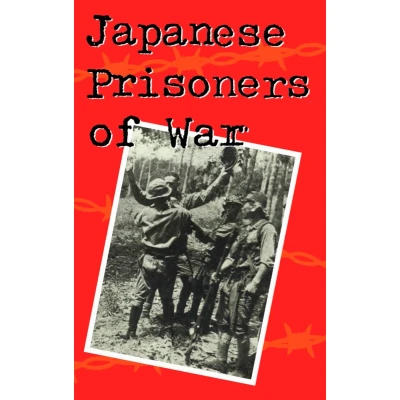
During World War II the Japanese were stereotyped in the European imagination as fanatical, cruel, almost inhuman. This collection aims to see this issue from an historical view, from a western and Japanese perspective. It also looks at the treatment of Japanese prisoners in Allied captivity. During World War II the Japanese were stereotyped in the European imagination as fanatical, cruel, almost inhuman - an image reflected in most books and films about prisoner of war in the Far East. While the Japanese cetainly treated those they captured badly, behaving far worse to Chinese and native captives than to Europeans, the conventional view of the Japanese is unhistorical and simplistic. It fails to recognize that hte Japanese were acting at a time of supreme national crisis trial, at a particular period of their history, and that their attitudes were influenced by a combination of their perception of their own racial identity mixed with a powerful historical tradition. This collection of essays, by both western and Japanese scholars, aims to see the question from a historical viewpoint, and from both a western and Japanese perspective, looking at it in the light of both longer-term influences, notably the Japanese attempt to establish themselves as an honorary white race. The essays also examine particular instances. Conditions in the almost self-run camp at Changi contrasted remarkably with those on the Burma Railway, where disease and a failure to provide supplies caused terrible suffering. The book also addresses the other side of the question, looking at the treatment of Japanese prisoners in Allied captivity.
 Productspecificaties
| EAN |
|
|---|---|
| Maat |
|
 Prijshistorie
Prijzen voor het laatst bijgewerkt op:
 Gerelateerde resultaten


