
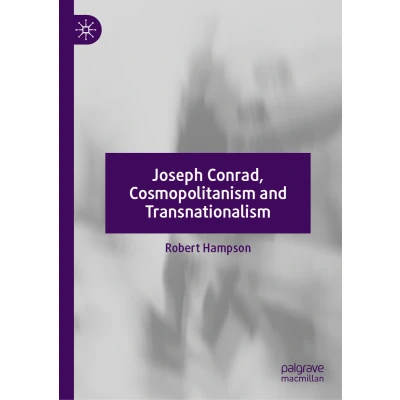
Joseph Conrad, Cosmopolitanism and Transnationalism
Uitgelicht

|
54,99 |
Naar shop
|
| VERGELIJK ALLE AANBIEDERS (1) | ||
 Beschrijving
Bol
While drawing distinctions between cosmopolitanism, internationalism and transnationalism as the appropriate conceptual framings for Conrad’s works, this book traces Conrad’s own engagement with nationalism, cosmopolitanism, and transnational activism in relation to the political events of his time. In 1908, Joseph Conrad was criticised by a reviewer for being a man ‘without either country or language’: even his shipboard communities were the product of a ‘cosmopolitan’ vision. This book takes off from that criticism and begins by exploring the history and meanings of the term ‘cosmopolitan’. It then considers the multinational world of Conrad’s ships – and of the Merchant Marine more generally – to differentiate multinationalism from cosmopolitanism. Subsequent chapters then address nationalism, nation-formation and the concept of the nation through a reading of Nostromo; cosmopolitanism and internationalism in The Secret Agent; nationalism, internationalism and transnational activism in relation to Under Westen Eyes; and Conrad’s own transnational activism in his later essays. While drawing distinctions between cosmopolitanism, internationalism and transnationalism as the appropriate conceptual framings for Conrad’s works, this book traces Conrad’s own engagement with nationalism, cosmopolitanism, and transnational activism in relation to the political events of his time. Robert Hampson is Professor Emeritus at Royal Holloway, University of London; Research Fellow at the Institute of English Studies, University of London; and Chair of the Joseph Conrad Society (UK). He is the author of Joseph Conrad: Betrayal and Identity, Cross-Cultural Encounters in Joseph Conrad’s Malay Fiction, and Conrad’s Secrets. In 1908, Joseph Conrad was criticised by a reviewer for being a man ‘without either country or language’: even his shipboard communities were the product of a ‘cosmopolitan’ vision. This book takes off from that criticism and begins by exploring the history and meanings of the term ‘cosmopolitan’. It then considers the multinational world of Conrad’s ships – and of the Merchant Marine more generally – to differentiate multinationalism from cosmopolitanism. Subsequent chapters then address nationalism, nation-formation and the concept of the nation through a reading of Nostromo; cosmopolitanism and internationalism in The Secret Agent; nationalism, internationalism and transnational activism in relation to Under Westen Eyes; and Conrad’s own transnational activism in his later essays. While drawing distinctions between cosmopolitanism, internationalism and transnationalism as the appropriate conceptual framings for Conrad’s works, this book traces Conrad’s own engagement with nationalism, cosmopolitanism, and transnational activism in relation to the political events of his time.


Vergelijk aanbieders (1)

 Beschrijving
(1)
Beschrijving
(1)
While drawing distinctions between cosmopolitanism, internationalism and transnationalism as the appropriate conceptual framings for Conrad’s works, this book traces Conrad’s own engagement with nationalism, cosmopolitanism, and transnational activism in relation to the political events of his time. In 1908, Joseph Conrad was criticised by a reviewer for being a man ‘without either country or language’: even his shipboard communities were the product of a ‘cosmopolitan’ vision. This book takes off from that criticism and begins by exploring the history and meanings of the term ‘cosmopolitan’. It then considers the multinational world of Conrad’s ships – and of the Merchant Marine more generally – to differentiate multinationalism from cosmopolitanism. Subsequent chapters then address nationalism, nation-formation and the concept of the nation through a reading of Nostromo; cosmopolitanism and internationalism in The Secret Agent; nationalism, internationalism and transnational activism in relation to Under Westen Eyes; and Conrad’s own transnational activism in his later essays. While drawing distinctions between cosmopolitanism, internationalism and transnationalism as the appropriate conceptual framings for Conrad’s works, this book traces Conrad’s own engagement with nationalism, cosmopolitanism, and transnational activism in relation to the political events of his time. Robert Hampson is Professor Emeritus at Royal Holloway, University of London; Research Fellow at the Institute of English Studies, University of London; and Chair of the Joseph Conrad Society (UK). He is the author of Joseph Conrad: Betrayal and Identity, Cross-Cultural Encounters in Joseph Conrad’s Malay Fiction, and Conrad’s Secrets. In 1908, Joseph Conrad was criticised by a reviewer for being a man ‘without either country or language’: even his shipboard communities were the product of a ‘cosmopolitan’ vision. This book takes off from that criticism and begins by exploring the history and meanings of the term ‘cosmopolitan’. It then considers the multinational world of Conrad’s ships – and of the Merchant Marine more generally – to differentiate multinationalism from cosmopolitanism. Subsequent chapters then address nationalism, nation-formation and the concept of the nation through a reading of Nostromo; cosmopolitanism and internationalism in The Secret Agent; nationalism, internationalism and transnational activism in relation to Under Westen Eyes; and Conrad’s own transnational activism in his later essays. While drawing distinctions between cosmopolitanism, internationalism and transnationalism as the appropriate conceptual framings for Conrad’s works, this book traces Conrad’s own engagement with nationalism, cosmopolitanism, and transnational activism in relation to the political events of his time.
 Productspecificaties
| EAN |
|
|---|---|
| Maat |
|
 Prijshistorie
Prijzen voor het laatst bijgewerkt op:
 Gerelateerde resultaten


