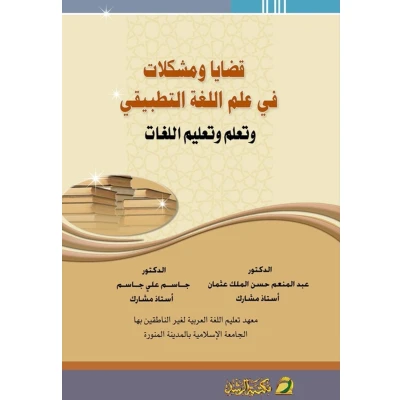



€ 27,99 Gratis verzending

Uitgelicht
|
|
27,99 |
Naar shop
|

|
33,87 |
Naar shop
|
| VERGELIJK ALLE AANBIEDERS (2) | ||
 Beschrijving
Vergelijk aanbieders (2)
€ 27,99 Gratis verzending
€ 33,87 € 7,25 verzendkosten Totaal € 41,12
Winkels met andere maten
Beschrijving
(1)
¿¿¿¿¿¿ ¿¿¿ ¿¿¿¿¿¿ ¿¿¿¿¿ ¿¿¿ ¿¿¿¿¿ ¿¿¿¿¿¿ ¿¿¿¿¿¿ ¿¿¿¿¿ ¿¿¿¿¿¿¿ ¿¿ ¿¿¿¿ ¿¿¿¿ ¿¿¿ ¿¿¿¿¿¿ ¿¿¿¿¿¿ ¿¿¿¿¿¿ ¿¿¿¿¿¿ ¿¿¿¿¿¿¿¿¿ ¿¿¿¿¿¿¿¿ ¿¿¿¿¿¿¿¿ ¿¿¿¿¿¿¿¿ ¿¿ ¿¿¿¿¿ ¿¿¿ ¿¿¿ ¿¿¿¿¿ ¿¿¿¿¿¿¿ ¿¿¿¿¿¿¿¿ ¿¿¿¿¿¿.¿¿¿¿ ¿¿¿ ¿¿¿¿¿¿ ¿¿¿¿¿¿ ¿¿¿¿¿¿ ¿¿¿¿ ¿¿¿ ¿¿¿¿¿¿¿ ¿¿¿¿¿¿¿¿¿¿ ¿¿¿¿¿ ¿¿¿¿ ¿¿¿¿¿¿¿ ¿¿¿¿ ¿¿¿ ¿¿¿¿¿¿ ¿¿¿¿¿¿ ¿¿¿¿¿¿ ¿¿¿¿¿¿¿¿¿ ¿¿¿¿¿¿¿¿ ¿¿¿¿¿¿¿ ¿¿ ¿¿¿¿¿ ¿¿¿¿¿ ¿¿¿¿¿¿¿.¿This book addresses issues of psycholinguistics and the teaching of Arabic in a framework that combines ancient Arabic linguistic heritage with modern linguistic and psychological theories, with a special focus on teaching Arabic to non-native speakers.This book represents a scholarly reference that combines originality and contemporary, and presents an integrative vision that links the Arabic linguistic heritage with modern linguistic theories in Arabic language teaching.
 Prijshistorie
* Prijshistorie bevat geen data van Amazon.
Prijzen voor het laatst bijgewerkt op:
 Gerelateerde resultaten
 Productspecificaties


