


€ 19,61 Gratis verzending

Uitgelicht
|
|
19,61 |
Naar shop
|

|
102,99 |
Naar shop
|
| VERGELIJK ALLE AANBIEDERS (2) | ||
 Beschrijving
Vergelijk aanbieders (2)
€ 19,61 Gratis verzending
€ 102,99 Gratis verzending
Winkels met andere maten
Beschrijving
(1)
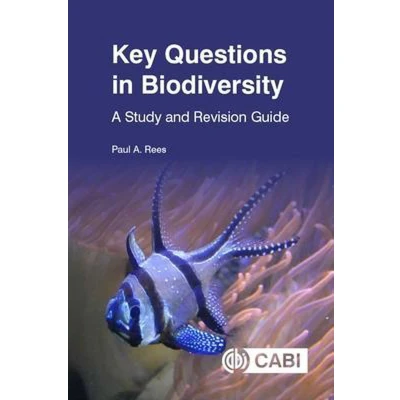
An understanding of biodiversity is an important requirement of a wide range of programmes of study including biology, zoology, wildlife conservation and environmental science. This book is a study and revision guide for students following such programmes in which biodiversity is an important component. It contains 600 multiple-choice questions (and answers) set at three levels - foundation, intermediate and advanced - and grouped into 10 major topic areas: 1. Principles of classification and taxonomy 2. Comparative anatomy and physiology 3. Protoctists, monerans, fungi, lichens and acellular organisms 4. 'Lower' plants and pteridophytes 5. Seed-bearing plants 6. Sponges, cnidarians, nematodes and minor animal phyla 7. Platyhelminths, annelids and molluscs 8. Arthropods and echinoderms 9. Fishes, amphibians and reptiles 10. Birds and mammals The book has been produced in a convenient format so that it can be used at any time in any place. It allows the reader to learn and revise the meaning of terms used in animal and plant classification, the principles of comparative physiology, and the characteristics of, and diversity in, the major animal and plant taxa. The structure of the book allows the study of one topic area or group of taxa at a time, progressing through simple questions to those that are more demanding. Many of the questions require students to use their knowledge to identify organisms and biological structures from drawings or photographs.
 Productspecificaties
| EAN |
|
|---|---|
| Maat |
|
 Prijshistorie
Prijzen voor het laatst bijgewerkt op:
 Gerelateerde resultaten


