
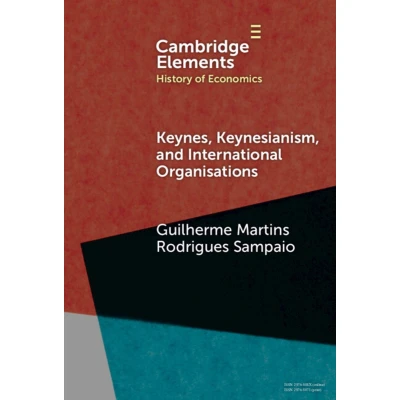
Keynes, Keynesianism, and International Organisations
Uitgelicht

|
63,99 |
Naar shop
|

|
69,28 |
Naar shop
|

|
69,28 |
Naar shop
|
| VERGELIJK ALLE AANBIEDERS (3) | ||
 Beschrijving
Bol
Historians and political scientists typically examine Keynesianism as an economic doctrine suitable for industrialised nation-states. This Element studies intergovernmental organisations as central to the discussion and globalisation of Keynesian ideas. It provides a historical survey of how Keynes's work and the Keynesian macroeconomics it inspired impacted the League of Nations and the United Nations, from 1920 to 1980. League experts both critiqued and used Keynes's writings to legitimise their proposals for monetary and fiscal stabilisation. Later, United Nations economists turned to Keynesianism to conceptualise and operationalise their own work. Keynes was also a guiding reference for UN experts in imagining the multilateral regulation of monetary and trade relations. By uncovering the contrasting understandings of Keynesianism that cohabited within the capacious settings of international organisations, this Element tells the story of how thinkers from both the Global South and the Global North co-created today's instruments of macroeconomic governance. This title is also available as open access on Cambridge Core.


 Beschrijving
(1)
Beschrijving
(1)
Historians and political scientists typically examine Keynesianism as an economic doctrine suitable for industrialised nation-states. This Element studies intergovernmental organisations as central to the discussion and globalisation of Keynesian ideas. It provides a historical survey of how Keynes's work and the Keynesian macroeconomics it inspired impacted the League of Nations and the United Nations, from 1920 to 1980. League experts both critiqued and used Keynes's writings to legitimise their proposals for monetary and fiscal stabilisation. Later, United Nations economists turned to Keynesianism to conceptualise and operationalise their own work. Keynes was also a guiding reference for UN experts in imagining the multilateral regulation of monetary and trade relations. By uncovering the contrasting understandings of Keynesianism that cohabited within the capacious settings of international organisations, this Element tells the story of how thinkers from both the Global South and the Global North co-created today's instruments of macroeconomic governance. This title is also available as open access on Cambridge Core.
 Productspecificaties
 Prijshistorie
* Prijshistorie bevat geen data van Amazon, Amazon Marketplace.
Prijzen voor het laatst bijgewerkt op:
 Gerelateerde resultaten


