


€ 18,00 € 2,99 verzendkosten Totaal € 20,99

Gesponsorde links
|
|
18,00 |
Naar shop
|

|
21,39 |
Naar shop
|

|
21,39 |
Naar shop
|
| VERGELIJK ALLE AANBIEDERS (3) | ||
 Beschrijving
Vergelijk aanbieders (3)
Gesponsorde links · Sommige shops betalen ons een vergoeding
€ 18,00 € 2,99 verzendkosten Totaal € 20,99
€ 21,39 Gratis verzending
€ 21,39 Gratis verzending
Winkels met andere maten
Beschrijving
(1)
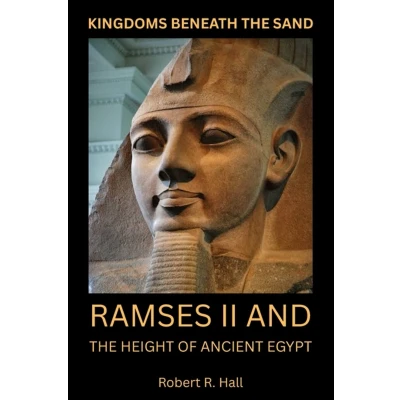
In 1974, the Egyptian government issued a passport to a man who had been dead for three thousand years. Under occupation: King (deceased). The mummy of Ramses II traveled first class to Paris. French authorities met him at the airport with a military honor guard.This is not a metaphor. It happened. And it tells you everything you need to know about who Ramses II was.He built more temples than any pharaoh before or after him. He fought the greatest chariot battle of the ancient world at Kadesh - and inscribed his version of it on sixty temple walls when the honest result was a strategic draw. He negotiated the first recorded peace treaty in history. He lived to approximately ninety, outlived a dozen of his designated heirs, fathered more than a hundred children, and governed Egypt for sixty-seven years - longer than most of his subjects lived.He also carved his name over the monuments of pharaohs who came before him, cut his cartouche so deep that no successor could remove it, and built colossal statues of himself across an empire stretching from the Euphrates to deep into Africa.Kingdoms Beneath the Sand tells both stories simultaneously: the pharaoh who genuinely transformed his world, and the pharaoh who constructed the most elaborate act of self-promotion the ancient world ever produced. Between these two Ramses - the builder and the myth-maker - lies one of history's most fascinating questions: when the performance is this complete, does the distinction still matter?He built things to last. He built himself to last. The sand kept both.
 Prijshistorie
* Prijshistorie bevat geen data van Amazon, Amazon Marketplace.
Prijzen voor het laatst bijgewerkt op:
 Gerelateerde resultaten
 Productspecificaties


