


€ 18,00 € 2,99 verzendkosten Totaal € 20,99

Uitgelicht
|
|
18,00 |
Naar shop
|

|
30,42 |
Naar shop
|
| VERGELIJK ALLE AANBIEDERS (2) | ||
 Beschrijving
Vergelijk aanbieders (2)
€ 18,00 € 2,99 verzendkosten Totaal € 20,99
€ 30,42 € 6,31 verzendkosten Totaal € 36,73
Winkels met andere maten
Beschrijving
(1)
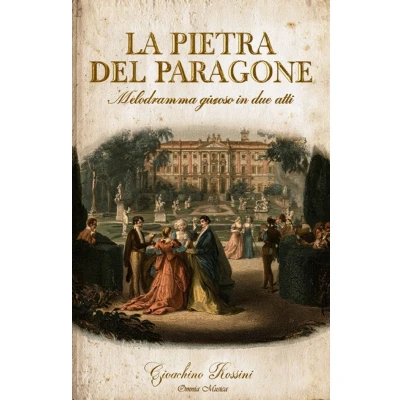
La pietra del paragone è un melodramma giocoso in due atti di Gioachino Rossini su libretto di Luigi Romanelli, rappresentato per la prima volta alla Scala di Milano nel 1812. La vicenda si svolge nella villa del Conte Asdrubale, ricco e cauto nel matrimonio, corteggiato da tre donne interessate: la Baronessa Aspasia, la Marchesa Clarice e Donna Fulvia. Per mettere alla prova l'autenticità dei sentimenti degli amici e delle pretendenti, il Conte, con l'aiuto del maggiordomo Fabrizio, finge una grave perdita finanziaria. Le reazioni rivelano chi sono i veri amici: Clarice offre aiuto e mano, il poeta Giocondo (innamorato di lei) offre ospitalità, mentre gli altri si defilano o reagiscono con opportunismo.Nel secondo atto, le rivali respinte tramano vendette con l'aiuto del ridicolo poeta Pacuvio e del presuntuoso giornalista Macrobio, generando duelli comici e malintesi. Clarice, per testare ulteriormente il Conte, si traveste da capitano (suo gemello Lucindo) e annuncia un matrimonio fittizio. Lo svelamento del travestimento porta alla riconciliazione: il Conte riconosce l'amore sincero di Clarice e accetta di sposarla. Aspasia e Fulvia si consolano con Pacuvio e Macrobio, mentre tutti celebrano la vittoria della vera amicizia e dell'amore autentico in un finale allegro e corale.La pietra del paragone is a melodramma giocoso in two acts by Gioachino Rossini, with a libretto by Luigi Romanelli, first performed at La Scala in Milan in 1812. The story is set in the villa of Count Asdrubale, a wealthy man who is cautious about marriage and is courted by three women with ulterior motives: Baroness Aspasia, the Marquise Clarice and Donna Fulvia. To test the sincerity of his friends' and suitors' feelings, the Count, with the help of his butler Fabrizio, feigns a serious financial loss. Their reactions reveal who his true friends are: Clarice offers help and her hand in marriage, whilst the poet Giocondo (who is in love with her) offers hospitality; the others, however, either stand aside or react opportunistically.In the second act, the spurned rivals plot revenge with the help of the ridiculous poet Pacuvio and the presumptuous journalist Macrobio, leading to comical duels and misunderstandings. Clarice, to test the Count further, disguises herself as a captain (her twin brother Lucindo) and announces a fictitious marriage. The unmasking of the disguise leads to reconciliation: the Count recognises Clarice's sincere love and agrees to marry her. Aspasia and Fulvia find comfort in Pacuvio and Macrobio, whilst everyone celebrates the triumph of true friendship and genuine love in a joyful, ensemble finale.
 Prijshistorie
 * Prijshistorie bevat geen data van Amazon.
Prijzen voor het laatst bijgewerkt op:
 Gerelateerde resultaten
 Productspecificaties


