

€ 28,54 Gratis verzending

Gesponsorde links
|
|
28,54 |
Naar shop
|

|
30,99 |
Naar shop
|
| VERGELIJK ALLE AANBIEDERS (2) | ||
 Beschrijving
Vergelijk aanbieders (2)
Gesponsorde links · Sommige shops betalen ons een vergoeding
€ 28,54 Gratis verzending
€ 30,99 Gratis verzending
Winkels met andere maten
Beschrijving
(1)
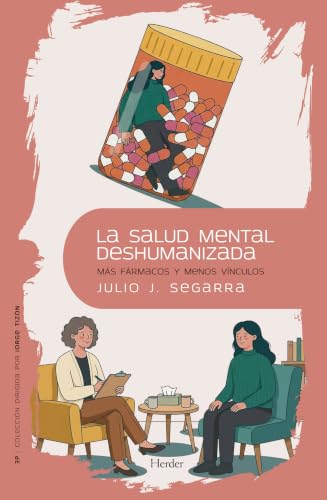
In contrast to reductionist approaches, Julio Segarra proposes a relational perspective in which the subject, their biography, and their bonds play a central role in understanding the human experience. Currently, the understanding of mental disorders is shaped by a crucial tension between two ways of interpreting human suffering: the biologistic and the relational. While the former tends to reduce psychic experience to neurobiological mechanisms, the latter places the individual's history, relationships, and context at the center. This book examines the epistemological foundations of both approaches and analyzes the theoretical, clinical, and social implications of the contrast between them. Drawing on epistemology, psychopathology, and mental health research, Julio Segarra analyzes the role of medicalization, the expansion of diagnostic categories, and the influence of the pharmaceutical industry in shaping contemporary discourses on psychic suffering.
 Prijshistorie
* Prijshistorie bevat geen data van Amazon.
Prijzen voor het laatst bijgewerkt op:
 Gerelateerde resultaten
 Productspecificaties


