

€ 84,39 € 3,14 verzendkosten Totaal € 87,53

Uitgelicht
|
|
84,39 |
Naar shop
|

|
125,00 |
Naar shop
|
| VERGELIJK ALLE AANBIEDERS (2) | ||
 Beschrijving
Vergelijk aanbieders (2)
€ 84,39 € 3,14 verzendkosten Totaal € 87,53
€ 125,00 Gratis verzending
Winkels met andere maten
Beschrijving
(1)
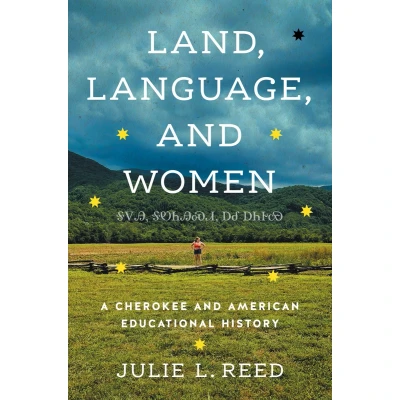
Historians largely understand Native American education through the Indian boarding schools and reservation schools established by the US government during the nineteenth and twentieth centuries. But Native Americans taught and learned from one another long before colonization, and while white settlers and institutions powerfully influenced Indigenous educational practices, they never stopped Native people from educating one another on their own terms. In this ambitious and imaginatively conceived book, Julie L. Reed uses Cherokee teaching and learning practices spanning more than four centuries to reframe the way we think about Native American educational history. Reed draws on archaeological evidence from Southeastern US caves, ethnohistorical narratives of Cherokee syllabary development, records from Christian mission schools, Cherokee Nation archives, and family and personal histories to reveal surprising continuity amid powerful change. Centering the role of women as educators across generations in Cherokee matrilineal society, the power of land to anchor learning, and the significance of language in expressing sovereignty, Reed fundamentally rethinks the nature of educational space, the roles played by teachers and learners, and the periodization imposed by US settler colonialism onto the Indigenous experience.
 Prijshistorie
 * Prijshistorie bevat geen data van Amazon.
Prijzen voor het laatst bijgewerkt op:
 Gerelateerde resultaten
 Productspecificaties


