


€ 86,64 Gratis verzending

Uitgelicht
|
|
86,64 |
Naar shop
|
| VERGELIJK ALLE AANBIEDERS (1) | ||
 Beschrijving
Vergelijk aanbieders (1)
€ 86,64 Gratis verzending
Winkels met andere maten
Beschrijving
(1)
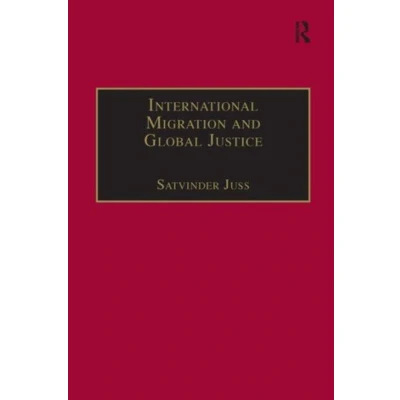
How should international law approach the critical issue of movement of peoples in the 21st century? This book presents a radical reappraisal of this controversial problem. Challenging present-day ideas of restrictions on freedom of movement and the international structure that controls entry to states, it argues for a new blueprint for international migration policy that eliminates waste, aids both developing and developed societies and brings attendant benefits to voluntary migrants and involuntary refugees alike. In a world of increasing disorder, it is suggested that current policy only adds to international instability and threatens the interests of a functional global community.
 Productspecificaties
| EAN |
|
|---|---|
| Maat |
|
 Prijshistorie
 Prijzen voor het laatst bijgewerkt op:
 Gerelateerde resultaten


