
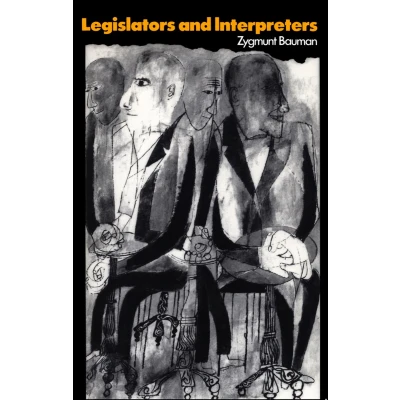
Legislators and Interpreters
Uitgelicht

|
23,00 |
Naar shop
|

|
23,00 |
Naar shop
|

|
23,00 |
Naar shop
|
| VERGELIJK ALLE AANBIEDERS (3) | ||
 Beschrijving
Bol
Discusses debates in which there is currently much interest (overlaps with the themes of 'Habermas and Modernity', which has been discussed very widely indeed). The author is one of the foremost writers in social theory and cultural studies today. Develops an original argument about the position of intellectuals in the contemporary world. What is the role of intellectuals in the modern world? How does intellectual work connect to modern cultural development as a whole? Bauman answers these questions through a discussion of the nature of modernism and post-modernism in the analysis of culture. During the period at which it was assumed that there were ready ways of assessing the truth of beliefs, intellectuals used to 'legislate' about opinions for the rest of the community. But today, in the period of post-modernism, there are many competing value-systems and beliefs. Intellectuals today become 'interpreters', representing different standpoints in relation to one another. In brilliant and telling fashion, Bauman draws out the implications of this change for contemporary cultural analysis. This book will be of basic interest to students and professionals in cultural studies, sociology, politics and the history of ideas. The book discusses the role of intellectuals in the modern world. Bauman connects this with current analyses of modernity and post-modernity. The theme of the book is that the tasks of intellectuals change from being 'legislators' to 'interpreters' with the transition from modernity to post-modernity. The book discusses the role of intellectuals in the modern world. Bauman connects this with current analyses of modernity and post-modernity. The theme of the book is that the tasks of intellectuals change from being 'legislators' to 'interpreters' with the transition from modernity to post-modernity.


 Beschrijving
(1)
Beschrijving
(1)
Discusses debates in which there is currently much interest (overlaps with the themes of 'Habermas and Modernity', which has been discussed very widely indeed). The author is one of the foremost writers in social theory and cultural studies today. Develops an original argument about the position of intellectuals in the contemporary world. What is the role of intellectuals in the modern world? How does intellectual work connect to modern cultural development as a whole? Bauman answers these questions through a discussion of the nature of modernism and post-modernism in the analysis of culture. During the period at which it was assumed that there were ready ways of assessing the truth of beliefs, intellectuals used to 'legislate' about opinions for the rest of the community. But today, in the period of post-modernism, there are many competing value-systems and beliefs. Intellectuals today become 'interpreters', representing different standpoints in relation to one another. In brilliant and telling fashion, Bauman draws out the implications of this change for contemporary cultural analysis. This book will be of basic interest to students and professionals in cultural studies, sociology, politics and the history of ideas. The book discusses the role of intellectuals in the modern world. Bauman connects this with current analyses of modernity and post-modernity. The theme of the book is that the tasks of intellectuals change from being 'legislators' to 'interpreters' with the transition from modernity to post-modernity. The book discusses the role of intellectuals in the modern world. Bauman connects this with current analyses of modernity and post-modernity. The theme of the book is that the tasks of intellectuals change from being 'legislators' to 'interpreters' with the transition from modernity to post-modernity.
 Productspecificaties
 Prijshistorie
* Prijshistorie bevat geen data van Amazon, Amazon Marketplace.
Prijzen voor het laatst bijgewerkt op:
 Gerelateerde resultaten


