

€ 13,76 Gratis verzending

Gesponsorde links
|
|
13,76 |
Naar shop
|

|
13,76 |
Naar shop
|

|
15,00 |
Naar shop
|
| VERGELIJK ALLE AANBIEDERS (3) | ||
 Beschrijving
Vergelijk aanbieders (3)
Gesponsorde links · Sommige shops betalen ons een vergoeding
€ 13,76 Gratis verzending
€ 13,76 Gratis verzending
€ 15,00 € 2,99 verzendkosten Totaal € 17,99
Winkels met andere maten
Beschrijving
(1)
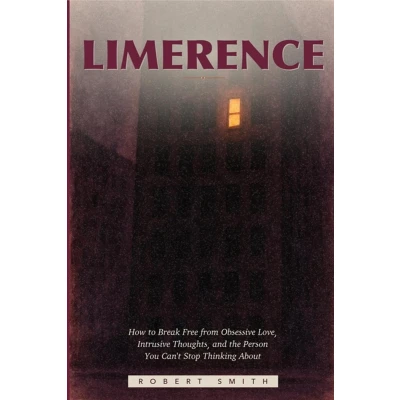
You are not in love. You are in limerence, and there is a way out.You check their profile before you are fully awake. You replay a thirty-second conversation for the hundredth time, mining it for hidden meaning. A single text can remake your entire day or destroy it. You know, somewhere underneath, that the intensity is out of proportion to the person, and you cannot stop. You have tried to reason your way free and the thoughts only come back louder.What you are living inside has a name. In 1979 the psychologist Dorothy Tennov coined the term limerence: an involuntary, obsessive state of romantic fixation marked by intrusive thinking, a desperate craving for reciprocation, and emotional dependence on another person's smallest signals. It is not love, though it feels far more intense than love. It is closer to a behavioral addiction, and like any addiction, it follows rules you can learn to interrupt.Limerence is the practical field guide Tennov's readers have been missing for forty years. It translates what researchers, attachment theorists, and addiction science actually know about obsessive love into plain language and concrete daily protocols, not "just move on," but the specific, repeatable work of breaking the loop.Across fifteen chapters, the book moves through three parts: the spell (what limerence is, why your brain manufactures it, and how it differs from love and from anxious attachment), the loop (intrusive thoughts, the hope-and-despair cycle, the "limerent object," and what fantasy is really feeding), and the way out (going no-contact with a memory, starving the obsession, rebuilding a self that does not orbit someone else, and learning what real love feels like when it finally arrives).Inside you'll learn how to: - Tell the difference between limerence, love, and an anxious attachment flare- Interrupt intrusive thoughts without fighting them head-on (the fight makes them stronger)- Break the hope-reward cycle that keeps you hooked on crumbs of attention- Survive no-contact, including no-contact with someone you still have to see- Stop feeding the fantasy that your brain keeps editing in your favor- Rebuild a life and an identity that no longer depend on one person noticing youThe person you cannot stop thinking about is not the cure for how you feel. This is the book that finally explains why, and shows you, step by step, how to get yourself back.
 Prijshistorie
* Prijshistorie bevat geen data van Amazon, Amazon Marketplace.
Prijzen voor het laatst bijgewerkt op:
 Gerelateerde resultaten
 Productspecificaties


