








Literary Disability Studies Identity in Simulation Narratives
Uitgelicht

|
109,00 |
Naar shop
|
| VERGELIJK ALLE AANBIEDERS (1) | ||
 Beschrijving
Bol
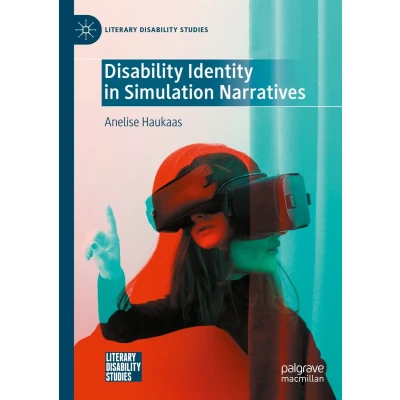
Disability Identity in Simulation Narratives considers the relationship between disability identity and simulation activities (ranging from traditional gameplay to more revolutionary technology) in contemporary science fiction. Disability Identity in Simulation Narratives considers the relationship between disability identity and simulation activities (ranging from traditional gameplay to more revolutionary technology) in contemporary science fiction. Anelise Haukaas applies posthumanist theory to an examination of disability identity in a variety of science fiction texts: adult novels, young adult literature and comics, as well as ethnographic research with gamers. Haukaas argues that instead of being a means of escapism, simulated experiences are a valuable tool for cultivating self-acceptance and promoting empathy. Through increasingly accessible technology and innovative gameplay, traditional hierarchies are dismantled, and different ways of being are both explored and validated. Ultimately, the book aims to expand our understandings of disability, performance, and self-creation in significant ways by exploring the boundless selves that the simulated environments in these texts allow. Anelise Haukaas is an Assistant Professor of English at the College of Coastal Georgia, USA, as well as the faculty advisor of Seaswells, the art and literary magazine. Her research interests include genre fiction, disability studies, folklore and mythology, popular culture, and new media. Disability Identity in Simulation Narratives considers the relationship between disability identity and simulation activities (ranging from traditional gameplay to more revolutionary technology) in contemporary science fiction. Anelise Haukaas applies posthumanist theory to an examination of disability identity in a variety of science fiction texts: adult novels, young adult literature and comics, as well as ethnographic research with gamers. Haukaas argues that instead of being a means of escapism, simulated experiences are a valuable tool for cultivating self-acceptance and promoting empathy. Through increasingly accessible technology and innovative gameplay, traditional hierarchies are dismantled, and different ways of being are both explored and validated. Ultimately, the book aims to expand our understandings of disability, performance, and self-creation in significant ways by exploring the boundless selves that the simulated environments in these texts allow.


Vergelijk aanbieders (1)

 Beschrijving
(1)
Beschrijving
(1)
Disability Identity in Simulation Narratives considers the relationship between disability identity and simulation activities (ranging from traditional gameplay to more revolutionary technology) in contemporary science fiction. Disability Identity in Simulation Narratives considers the relationship between disability identity and simulation activities (ranging from traditional gameplay to more revolutionary technology) in contemporary science fiction. Anelise Haukaas applies posthumanist theory to an examination of disability identity in a variety of science fiction texts: adult novels, young adult literature and comics, as well as ethnographic research with gamers. Haukaas argues that instead of being a means of escapism, simulated experiences are a valuable tool for cultivating self-acceptance and promoting empathy. Through increasingly accessible technology and innovative gameplay, traditional hierarchies are dismantled, and different ways of being are both explored and validated. Ultimately, the book aims to expand our understandings of disability, performance, and self-creation in significant ways by exploring the boundless selves that the simulated environments in these texts allow. Anelise Haukaas is an Assistant Professor of English at the College of Coastal Georgia, USA, as well as the faculty advisor of Seaswells, the art and literary magazine. Her research interests include genre fiction, disability studies, folklore and mythology, popular culture, and new media. Disability Identity in Simulation Narratives considers the relationship between disability identity and simulation activities (ranging from traditional gameplay to more revolutionary technology) in contemporary science fiction. Anelise Haukaas applies posthumanist theory to an examination of disability identity in a variety of science fiction texts: adult novels, young adult literature and comics, as well as ethnographic research with gamers. Haukaas argues that instead of being a means of escapism, simulated experiences are a valuable tool for cultivating self-acceptance and promoting empathy. Through increasingly accessible technology and innovative gameplay, traditional hierarchies are dismantled, and different ways of being are both explored and validated. Ultimately, the book aims to expand our understandings of disability, performance, and self-creation in significant ways by exploring the boundless selves that the simulated environments in these texts allow.
 Productspecificaties
| EAN |
|
|---|---|
| Maat |
|
 Prijshistorie
Prijzen voor het laatst bijgewerkt op:
 Gerelateerde resultaten


