


€ 129,00 Gratis verzending

Gesponsorde links
|
|
129,00 |
Naar shop
|

|
143,10 |
Naar shop
|
| VERGELIJK ALLE AANBIEDERS (2) | ||
 Beschrijving
Vergelijk aanbieders (2)
Gesponsorde links · Sommige shops betalen ons een vergoeding
€ 129,00 Gratis verzending
€ 143,10 Gratis verzending
Winkels met andere maten
Beschrijving
(1)
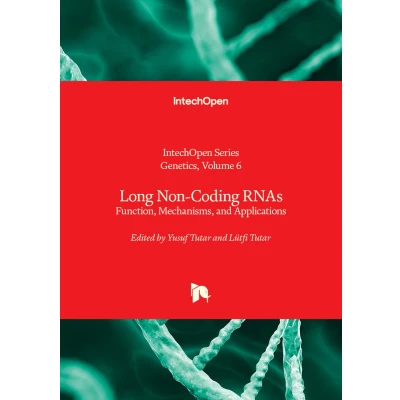
LncRNAs contribute to cancer progression by regulating gene expression epigenetically and post-transcriptionally. They influence tumorigenesis through interactions with chromatin modifiers, act as competitive endogenous RNAs to modulate microRNA activity and regulate processes such as epithelial-mesenchymal transition (EMT) that facilitate metastasis. LncRNAs affect cancer cell proliferation, apoptosis, migration, metabolism, and drug resistance, making them crucial players in tumor development and potential targets for diagnosis and therapy. The book covers the latest reports about lncRNAs.
 Prijshistorie
 * Prijshistorie bevat geen data van Amazon.
Prijzen voor het laatst bijgewerkt op:
 Gerelateerde resultaten
 Productspecificaties


