


€ 20,00 € 2,99 verzendkosten Totaal € 22,99

Uitgelicht
|
|
20,00 |
Naar shop
|

|
21,39 |
Naar shop
|

|
21,39 |
Naar shop
|
| VERGELIJK ALLE AANBIEDERS (3) | ||
 Beschrijving
Vergelijk aanbieders (3)
€ 20,00 € 2,99 verzendkosten Totaal € 22,99
€ 21,39 Gratis verzending
€ 21,39 Gratis verzending
Winkels met andere maten
Beschrijving
(1)
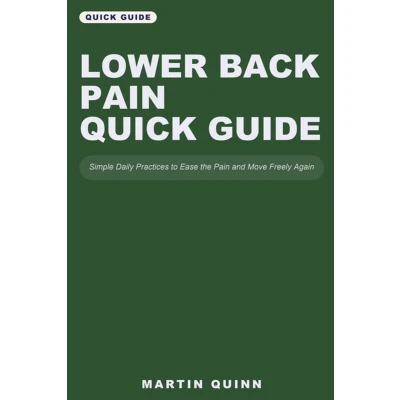
Your back is not fragile, and hurt is not harm. The pain is real - and the system that produces it can be taught to settle.Most back-pain advice stops at the scan: a disc, a bulge, a line about "degeneration," and a recommendation to rest and protect. But those same changes show up just as often in people with no pain at all - and rest, held past the first couple of weeks, tends to make a sensitised back worse, not better. If your back pain has outlasted the explanation you were given, this guide is written for you.Drawing on pain neuroscience, a clear-eyed look at how the back is actually built, and years of clinical practice, Martin Quinn shows how structure, movement, breath, and fear together keep persistent back pain alive - and how to take the pattern apart. You'll work with both halves of recovery that are usually kept separate: the structural - how a strong, load-sharing back becomes guarded and painful, and how to rebuild confident movement - and the nervous system - how pain is constructed, and how breath and attention turn the alarm back down.Inside this guide: - Why the scan and the pain so often disagree - and what actually keeps back pain going- How a strong, load-sharing back becomes a guarded, painful one- Movement that rebuilds confidence instead of forcing a stretch that backfires- Breath and reframing practices that turn the nervous system's alarm down- Twenty-three numbered practices - breath, mobility, strength, and daily movement - with a quick-reference Practice Index to find the right one for the moment- A daily structure that makes recovery the default rather than the exceptionClear diagrams. Plain language. Practices you can begin today. Not a promise of a miracle - a clinician's map of how persistent back pain is built, and how to take it apart.Scroll up and start today.
 Prijshistorie
 * Prijshistorie bevat geen data van Amazon, Amazon Marketplace.
Prijzen voor het laatst bijgewerkt op:
 Gerelateerde resultaten
 Productspecificaties


