

€ 16,31 Gratis verzending

Uitgelicht
|
|
16,31 |
Naar shop
|

|
16,31 |
Naar shop
|

|
17,00 |
Naar shop
|
| VERGELIJK ALLE AANBIEDERS (3) | ||
 Beschrijving
Vergelijk aanbieders (3)
€ 16,31 Gratis verzending
€ 16,31 Gratis verzending
€ 17,00 € 2,99 verzendkosten Totaal € 19,99
Winkels met andere maten
Beschrijving
(1)
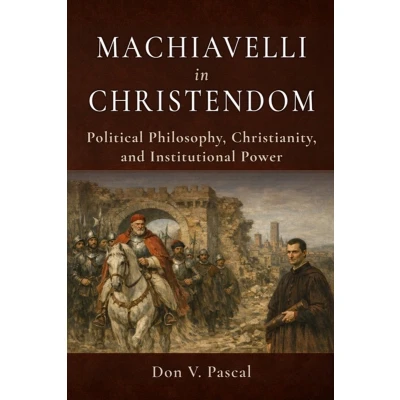
Machiavelli has been misread for five hundred years. This book corrects the error by restoring the world that made him.The popular image of Machiavelli - cynical tactician, patron saint of power politics - strips him of the civilization he was analyzing. The academic image - philosopher of civic republicanism recovering classical antiquity - strips out the institutional grit. Neither version bothers with the political world he actually described.That world was Christendom: a thousand-year civilization in which moral language and political power were not separate systems but one integrated structure. Popes commanded armies. Bishops ran courts. Canon law governed marriage, inheritance, and commerce. The Church administered education, welfare, and diplomacy. You could not separate the political system of Christian Europe from its ecclesiastical infrastructure any more than you could separate a building from its foundations.Machiavelli did not observe this world from outside it. He was its product. His Latin was ecclesiastical Latin. His education was Christian in content and form. His political problems - faction, mercenaries, the gap between moral aspiration and institutional survival - were the specific problems of the civilization the Church had built.Machiavelli in Christendom reads Machiavelli as an institutional analyst and Christendom as the institution he was analyzing. Drawing on the work of Harold Berman, Ernst Kantorowicz, Charles Taylor, and Max Weber, the book examines: - How competing authorities - papal, imperial, royal, episcopal - generated the structural pluralism that made Machiavelli's analysis possible - How enforcement, legitimacy, and obedience actually functioned within medieval and Renaissance institutions - How scriptural narratives - Moses, the Judges, the monarchy, the Maccabean revolt, Paul - operate as case studies in political formation when read through Machiavelli's framework - How Christendom's institutional legacy - the university, corporate personhood, due process, professional ethics - migrated into modernity under secular labelsThe final chapters equip readers with a practical framework for institutional literacy: how to identify where legitimacy comes from, where enforcement actually falls, who the intermediaries are, and what happens to dissent - in any institution, secular or religious, that the reader inhabits today.For readers who work inside institutions they can see clearly - and who understand that attention to how power operates is the first condition of responsible action within it.
 Prijshistorie
 * Prijshistorie bevat geen data van Amazon, Amazon Marketplace.
Prijzen voor het laatst bijgewerkt op:
 Gerelateerde resultaten
 Productspecificaties


