

€ 12,02 Gratis verzending

Gesponsorde links
|
|
12,02 |
Naar shop
|

|
12,02 |
Naar shop
|

|
12,50 |
Naar shop
|
| VERGELIJK ALLE AANBIEDERS (3) | ||
 Beschrijving
Vergelijk aanbieders (3)
Gesponsorde links · Sommige shops betalen ons een vergoeding
€ 12,02 Gratis verzending
€ 12,02 Gratis verzending
€ 12,50 € 2,99 verzendkosten Totaal € 15,49
Winkels met andere maten
Beschrijving
(1)
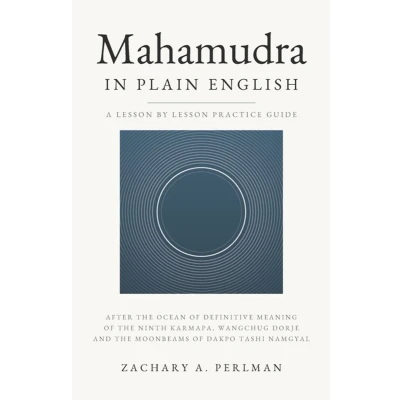
Empty, yet vividly knowing. Knowing, yet nothing to grasp. This, just as it is, is your own primordial awareness.Almost every book about awakening stops in the same place. It describes the practices, it builds toward recognition, it says something careful about the moment a practitioner first sees what they were looking for, and then it ends. But recognition is not the end of anything. It is closer to the beginning of the part nobody writes about: the years afterward, in which what was seen either ripens or quietly turns into a position, and during which a practitioner has almost no way to tell which is happening.The Kagyu tradition has a map of exactly that stretch. Four yogas, each in three degrees, twelve described stages with symptoms, plateaus, and named ways of going wrong. It was made by people who watched practitioners over decades, it predates most Western contact with any contemplative stage map, and it is almost never presented in English as something you can actually use.This book walks the whole path. No vow, no lineage membership, and no prior study are required.What You Will Practice- The four thoughts that turn the mind, and the four special preliminaries- Posture, and calm abiding with a support and without one- Resting the mind, and working with dullness and agitation when they come- The five ways of looking directly at awareness, and the pointing out instructionsWhat You Will Learn To Tell Apart- Meditative experience and realization, the single most useful discrimination in this tradition- The twelve degrees of the four yogas, one lesson at a time, with the marker that defines each- Bliss, clarity, and nonthought, and why the tradition treats them as traps- The four ways of holding emptiness wrongly- What happens to warmth in this territory, and the behavioral test the tradition uses- Where the descriptions honestly stop, and why the sources go quiet thereHow Each Lesson WorksTwenty lessons across six modules, following The Ocean of Definitive Meaning of the Ninth Karmapa and the Moonbeams of Mahamudra of Dakpo Tashi Namgyal. Each lesson gives you something to read, something to sit with or contemplate, and a section on what to watch for. A glossary covers the Tibetan and Sanskrit vocabulary, and three appendices correlate the twelve levels with the bodhisattva grounds, lay this map beside the sixteen insight knowledges of the Theravada tradition, and describe the root texts.
 Prijshistorie
* Prijshistorie bevat geen data van Amazon, Amazon Marketplace.
Prijzen voor het laatst bijgewerkt op:
 Gerelateerde resultaten
 Productspecificaties


