


€ 25,99 Gratis verzending

Uitgelicht
|
|
25,99 |
Naar shop
|

|
27,35 |
Naar shop
|

|
27,35 |
Naar shop
|
| VERGELIJK ALLE AANBIEDERS (3) | ||
 Beschrijving
Vergelijk aanbieders (3)
€ 25,99 Gratis verzending
€ 27,35 Gratis verzending
€ 27,35 Gratis verzending
Winkels met andere maten
Beschrijving
(1)
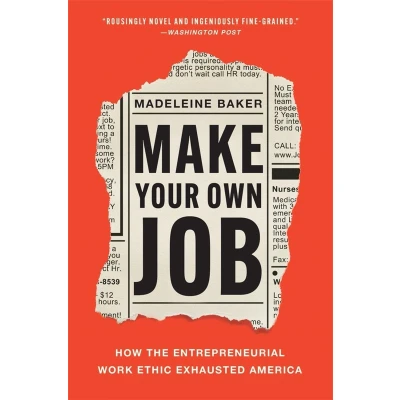
Make Your Own Job charts the transformation of the American work ethic in the twentieth century. It is no longer enough to be reliable; now, workers must lead with creative vision. Baker argues that the entrepreneurial ethic has been a Band-Aid for a society in which ever-mounting precarity discredits the old ethics of effort and persistence. A New Yorker Best Book of the YearA sweeping new history of the changing meaning of work in the United States, from Horatio Alger to Instagram influencers.How Americans think about work changed profoundly over the course of the twentieth century. Now, it’s not enough for a worker to be reliable; they are also increasingly expected to show initiative, creating new opportunities for themselves and their employer. Our culture of work today is more demanding than ever, even though workers haven't seen commensurate rewards.Make Your Own Job explains how this entrepreneurial work ethic took hold, from its origins in late nineteenth-century success literature to the gig economy of today. Business schools and consultants exhorted managers to cultivate the entrepreneurial spirit in their subordinates, while self-help authors synthesized new ideas from psychology into a vision of work as “self-realization.” Policy experts embraced the new ethic as a remedy for poverty. Everyone got on board: Marcus Garvey and Henry Ford, Avon ladies and New Age hippies.Historian Madeleine Baker argues that the entrepreneurial ethic has given meaning to work in a world where employment is ever more precarious—and in doing so, has legitimized mounting economic insecurity and inequality. Where work is hard to find and nostrums about diligent effort fall flat, the advice to “make your own job” keeps hope alive.
 Prijshistorie
 * Prijshistorie bevat geen data van Amazon, Amazon Marketplace.
Prijzen voor het laatst bijgewerkt op:
 Gerelateerde resultaten
 Productspecificaties


