


€ 87,63 Gratis verzending

Uitgelicht
|
|
87,63 |
Naar shop
|

|
115,90 |
Naar shop
|
| VERGELIJK ALLE AANBIEDERS (2) | ||
 Beschrijving
Vergelijk aanbieders (2)
€ 87,63 Gratis verzending
€ 115,90 Gratis verzending
Winkels met andere maten
Beschrijving
(2)
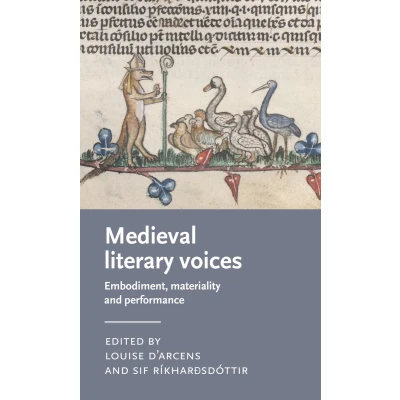
Medieval literary voices explores literary voice in relation to its authorial, scribal and socio-political settings. It reveals how literary voices evoke voices lurking beyond the text – the absent authorial voice, the traces of scribal voices and the aural soundscape of the uttered text – and how they mediate embodied life and material presence. Voice is a fleeting physical phenomenon that leaves behind traces of its existence. This volume explores voice as both a textual remnant and an enlivening communicative presence within medieval works.The book reveals how voices within the text can evoke the elusive voices lurking behind and beyond it: those of the absent author, of scribes and of the aural soundscape of the uttered word. Considering a broad range of writings, from the classical and biblical heritage to post-medieval literary representations, the chapters explore multiple dimensions of medieval voice and vocalisations, also paying attention to the interactions between literary voices and their different settings. They open up expansive critical questions, asking how the concept of voice can assist us in theorising and understanding medieval ideas and practices of embodiment, authority and self-actualisation.Offering a cutting-edge approach to the topic, Medieval literary voices reveals how voices mediate or proclaim an embodied selfhood or material presence, how they dictate or contest moral conventions and how they create and sustain narrative soundscapes. Voice is a fleeting physical phenomenon that leaves behind traces of its existence. Medieval literary voices offers a wide-reaching approach to the concept of literary voices, both the vanished authorial ones and the implicit textual ones. Its impressive lineup deepens our understanding of how literary voices evoke the elusive voices lurking beyond the text, capturing the absent authorial voice, the traces of scribal voices and the soundscape of the uttered text. It explores multiple dimensions of medieval voice and vocalisations, and the interactions between literary voices and their authorial, scribal and socio-political settings. It contends that through the theorizing of literary voices we can begin to understand the ways in which medieval voices mediate or proclaim an embodied selfhood or material presence, how they dictate or contest moral conventions, and how they create and sustain narrative soundscapes.
BolVoice is a fleeting physical phenomenon that leaves behind traces of its existence. Medieval literary voices offers a wide-reaching approach to the concept of literary voices, both the vanished authorial ones and the implicit textual ones. Its impressive lineup deepens our understanding of how literary voices evoke the elusive voices lurking beyond the text, capturing the absent authorial voice, the traces of scribal voices and the soundscape of the uttered text. It explores multiple dimensions of medieval voice and vocalisations, and the interactions between literary voices and their authorial, scribal and socio-political settings. It contends that through the theorizing of literary voices we can begin to understand the ways in which medieval voices mediate or proclaim an embodied selfhood or material presence, how they dictate or contest moral conventions, and how they create and sustain narrative soundscapes.
 Productspecificaties
| EAN |
|
|---|---|
| Maat |
|
 Prijshistorie
 Prijzen voor het laatst bijgewerkt op:
 Gerelateerde resultaten


