


€ 74,99 Gratis verzending

Uitgelicht
|
|
74,99 |
Naar shop
|

|
100,12 |
Naar shop
|

|
100,12 |
Naar shop
|
| VERGELIJK ALLE AANBIEDERS (3) | ||
 Beschrijving
Vergelijk aanbieders (3)
€ 74,99 Gratis verzending
€ 100,12 € 4,38 verzendkosten Totaal € 104,50
€ 100,12 € 4,38 verzendkosten Totaal € 104,50
Winkels met andere maten
Beschrijving
(1)
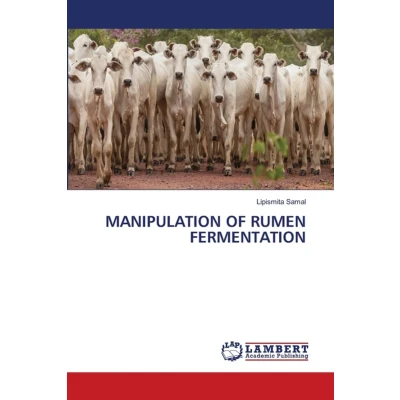
Rumen is a diverse and unique microbial ecosystem composed of all the three domains of life (prokaryotes, eukaryotes and archaea). In rumen, hydrogen is produced during the anaerobic fermentation of nutrients. This hydrogen can be used during the synthesis of volatile fatty acids (VFAs) and microbial protein synthesis. The excess hydrogen from NADH is eliminated primarily by the formation of methane produced by methanogens. Methane production in the ruminants is an energetically (2-15% of ingested GE) wasteful process, since the portion of animal's feed, which is converted to methane is eructed as gas. The concentration of green house gases in the troposphere has implicated in the consistent increase in the atmospheric pressure and global warming over the last few decade. The rising concentration of methane is correlated with increasing world's population and currently about 70% of the methane production arises from anthropogenic sources and the remainder from natural sources. Present thrust is towards exploitation of plants, plant extracts and natural plant compounds as safe means of ruminal fermentation modulators.
 Prijshistorie
 * Prijshistorie bevat geen data van Amazon, Amazon Marketplace.
Prijzen voor het laatst bijgewerkt op:
 Gerelateerde resultaten
 Productspecificaties


