


€ 145,00 Gratis verzending

Uitgelicht
|
|
145,00 |
Naar shop
|
| VERGELIJK ALLE AANBIEDERS (1) | ||
 Beschrijving
Vergelijk aanbieders (1)
€ 145,00 Gratis verzending
Winkels met andere maten
Beschrijving
(1)
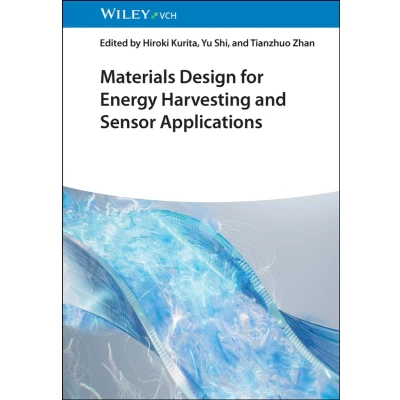
Design and fabricate devices that operate without external power Energy harvesting converts ambient thermal, mechanical, and electromagnetic energy into electrical power for autonomous wireless devices and wearable electronics. Materials Design for Energy Harvesting and Sensor Applications reviews the properties and potential of materials central to this rapidly growing field. Edited by an international team, the book covers fabrication processes, device design, performance evaluation, and unresolved challenges across major harvesting mechanisms. The volume examines piezoelectric, thermoelectric, magnetostrictive, and triboelectric materials across sensor, harvester, and actuator configurations. Each chapter opens with an introduction summarizing the relevant energy harvesting method before detailing state-of-the-art materials and device architectures. Coverage extends to multiscale optimal design of smart materials, offering design guidelines that connect fundamental material properties to practical application requirements. Readers will also find: Detailed discussion of additive manufacturing approaches for magnetostrictive alloys enabling complex geometries that improve energy harvesting output Analysis of CMOS-based silicon nanowire thermoelectric devices and boron nitride thermal?interface materials for chip-level thermal management Coverage of smart composite structures with embedded electronics for structural health monitoring in aerospace and automotive sectors Evaluation criteria and performance benchmarks for comparing piezoelectric, thermoelectric, magnetostrictive, and triboelectric harvesting devices Design strategies for wearable electronics and wireless sensor networks operating as self-powered autonomous systems without battery replacement Materials Design for Energy Harvesting and Sensor Applications serves materials scientists, electronics engineers, solid-state physicists, and sensor developers working on self-powered device technologies. By connecting material fabrication to device-level performance across four major harvesting mechanisms, it provides the cross-disciplinary reference these professionals require. Design and fabricate devices that operate without external power Energy harvesting converts ambient thermal, mechanical, and electromagnetic energy into electrical power for autonomous wireless devices and wearable electronics. Materials Design for Energy Harvesting and Sensor Applications reviews the properties and potential of materials central to this rapidly growing field. Edited by an international team, the book covers fabrication processes, device design, performance evaluation, and unresolved challenges across major harvesting mechanisms. The volume examines piezoelectric, thermoelectric, magnetostrictive, and triboelectric materials across sensor, harvester, and actuator configurations. Each chapter opens with an introduction summarizing the relevant energy harvesting method before detailing state-of-the-art materials and device architectures. Coverage extends to multiscale optimal design of smart materials, offering design guidelines that connect fundamental material properties to practical application requirements. Readers will also find: Detailed discussion of additive manufacturing approaches for magnetostrictive alloys enabling complex geometries that improve energy harvesting output Analysis of CMOS-based silicon nanowire thermoelectric devices and boron nitride thermal interface materials for chip-level thermal management Coverage of smart composite structures with embedded electronics for structural health monitoring in aerospace and automotive sectors Evaluation criteria and performance benchmarks for comparing piezoelectric, thermoelectric, magnetostrictive, and triboelectric harvesting devices Design strategies for wearable electronics and wireless sensor networks operating as self-powered autonomous systems without battery replacement Materials Design for Energy Harvesting and Sensor Applications serves materials scientists, electronics engineers, solid-state physicists, and sensor developers working on self-powered device technologies. By connecting material fabrication to device-level performance across four major harvesting mechanisms, it provides the cross-disciplinary reference these professionals require.
 Productspecificaties
| EAN |
|
|---|---|
| Maat |
|
 Prijshistorie
 Prijzen voor het laatst bijgewerkt op:
 Gerelateerde resultaten


