


€ 16,00 € 2,99 verzendkosten Totaal € 18,99

Uitgelicht
|
|
16,00 |
Naar shop
|

|
17,76 |
Naar shop
|

|
17,76 |
Naar shop
|
| VERGELIJK ALLE AANBIEDERS (3) | ||
 Beschrijving
Vergelijk aanbieders (3)
€ 16,00 € 2,99 verzendkosten Totaal € 18,99
€ 17,76 Gratis verzending
€ 17,76 Gratis verzending
Winkels met andere maten
Beschrijving
(1)
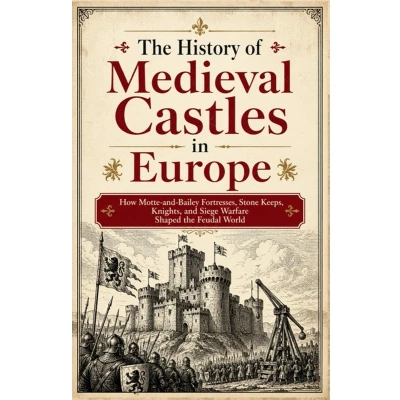
Across medieval Europe, castles rose above towns, rivers, mountain passes, and frontier lands as powerful symbols of defense, wealth, and political authority. From quickly built timber strongholds to massive stone keeps and concentric fortresses, these structures shaped warfare, government, trade, settlement, and everyday life throughout the Middle Ages. The History of Medieval Castles in Europe traces the development of European fortifications from Roman military traditions and early hilltop defenses to motte and bailey castles, Norman strongholds, royal fortresses, and the great stone castles of the later medieval world. In this book, you will find: - The origins and construction of motte and bailey castles- The transition from timber defenses to permanent stone keeps- The purpose of curtain walls, battlements, towers, gatehouses, drawbridges, portcullises, and moats- The political relationship between castles, feudal lords, kings, landownership, and royal power- The daily lives of knights, soldiers, noble families, servants, priests, craftsmen, and castle workers- The weapons and strategies used during medieval sieges, including trebuchets, battering rams, siege towers, mining, assault, and blockade- The human cost of siege warfare through hunger, disease, fear, negotiation, and surrender- The regional castle traditions of England, Wales, Scotland, Ireland, France, Germany, Italy, Spain, Portugal, and other parts of Europe- The importance of mountain castles, border strongholds, fortified towns, and defensive landscapes- The arrival of gunpowder artillery and the gradual transformation of castles into palaces, prisons, residences, ruins, and heritage sites >Behind every wall stood a living community. Beyond every gate stretched a landscape shaped by authority, conflict, labor, faith, and survival.
 Prijshistorie
 * Prijshistorie bevat geen data van Amazon, Amazon Marketplace.
Prijzen voor het laatst bijgewerkt op:
 Gerelateerde resultaten
 Productspecificaties


