


€ 15,00 € 2,99 verzendkosten Totaal € 17,99

Gesponsorde links
|
|
15,00 |
Naar shop
|

|
15,65 |
Naar shop
|

|
15,65 |
Naar shop
|
| VERGELIJK ALLE AANBIEDERS (3) | ||
 Beschrijving
Vergelijk aanbieders (3)
Gesponsorde links · Sommige shops betalen ons een vergoeding
€ 15,00 € 2,99 verzendkosten Totaal € 17,99
€ 15,65 Gratis verzending
€ 15,65 Gratis verzending
Winkels met andere maten
Beschrijving
(1)
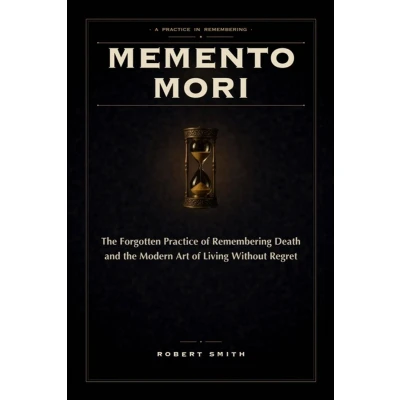
For two thousand years, the wisest among us built their lives around a single forgotten practice. This is your invitation to take it up again.Marcus Aurelius wrote it in the margins of his Meditations. Theravada monks contemplated it in charnel grounds. Trappist brothers greeted each other with it. Francis of Assisi sang it as a hymn to Sister Death. For most of human history, the daily remembrance of mortality was the lens through which a serious life was lived, and the antidote to nearly every form of regret.Then, somewhere in the twentieth century, we lost it. Hospitals replaced the home death. Funeral homes replaced the wake in the parlor. Anti-aging serums and curated feeds gave us a thousand small ways to pretend the end was not coming. The cost of that forgetting is the chronic, low-grade anxiety we now call modern life, and the long shadow of an unlived life that the dying, almost without exception, name as their deepest regret.Memento Mori restores the ancient practice for the modern reader. Over fourteen patient chapters and fifty-two weekly contemplations, Robert Smith offers a clear, unsparing, deeply readable guide drawn from the Stoics, the Buddhists, the Christian mystics, the Sufi masters, the hospice researchers, and the latest psychology of regret.Inside: - The morning practice that changed the texture of Marcus Aurelius's days, and how to begin yours in under five minutes- The Empty Chair contemplation, a ten-minute exercise that transforms how you see the people you love- How to write the Letter from Your Deathbed, the one writing exercise that rewires a life from the inside- The Hourglass Mind, Seneca's quiet arithmetic of weeks remaining, and how Tim Urban's life-calendar grid makes it visible- The Inventory of Regret across five domains, work, love, courage, voice, and body, and the single action in each that ends the postponement- Why the regrets that destroy peace at the end are never the actions we took, but the ones we did not- How the daily remembrance of death is the most reliable cure for petty suffering, people-pleasing, and the slow drift of an unlived life- Fifty-two weekly contemplations, one for each week of the year, to make this a yearlong apprenticeship in living as if it countsThis is not a morbid book. It is a book about living. The Stoics knew it. The Buddhists know it. The dying have always known it. Now, in plain English and with the rigor of modern research, you can know it too. Read it slowly, once a year, and let it do its quiet, deepening work.
 Prijshistorie
* Prijshistorie bevat geen data van Amazon, Amazon Marketplace.
Prijzen voor het laatst bijgewerkt op:
 Gerelateerde resultaten
 Productspecificaties


