

€ 10,95 Gratis verzending

Gesponsorde links
|
|
10,95 |
Naar shop
|

|
10,95 |
Naar shop
|

|
12,50 |
Naar shop
|
| VERGELIJK ALLE AANBIEDERS (3) | ||
 Beschrijving
Vergelijk aanbieders (3)
Gesponsorde links · Sommige shops betalen ons een vergoeding
€ 10,95 Gratis verzending
€ 10,95 Gratis verzending
€ 12,50 € 2,99 verzendkosten Totaal € 15,49
Winkels met andere maten
Beschrijving
(1)
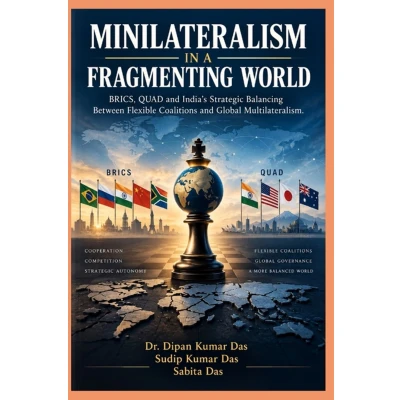
1. What Is Minilateralism?From Global Institutions to Small-Group Power PoliticsCritically examines the emergence of minilateralism, its conceptual foundations, defining characteristics, and why states increasingly prefer smaller, flexible coalitions over universal institutions. The chapter questions whether minilateralism represents an innovation in global governance or simply a symptom of the weakness of existing multilateral institutions.2. BRICS and QUAD: Two Faces of MinilateralismStrategic Convergence, Divergent Interests, and the New Geometry of PowerAnalyses BRICS and the QUAD as contrasting models of minilateral cooperation. While BRICS challenges aspects of Western-dominated global governance and promotes alternative institutional arrangements, the QUAD emphasizes strategic coordination in the Indo-Pacific. The chapter critically explores their overlapping interests, internal contradictions, and geopolitical significance.3. The Promise and Perils of MinilateralismEfficiency, Flexibility, Strategic Autonomy, and the Risk of FragmentationEvaluates the major advantages of minilateral arrangements, including faster decision-making, issue-specific cooperation, strategic flexibility, and greater responsiveness to emerging challenges. At the same time, it interrogates their limitations: exclusion, democratic deficits, overlapping institutions, power asymmetries, and the possibility of fragmenting the international order.4. India's Strategic Balancing ActBetween Minilateral Coalitions and Multilateral InstitutionsExamines how India navigates multiple and sometimes competing institutional platforms. From BRICS and QUAD to the G20, SCO, and United Nations, India seeks strategic autonomy without becoming trapped within a single geopolitical bloc. The chapter asks whether India is merely balancing competing powers or actively constructing a new model of international engagement.5. Minilateralism vs. MultilateralismCompetition, Complementarity, or a New Global Governance Hybrid?Critically investigates whether minilateralism undermines traditional multilateralism or strengthens it by providing flexible mechanisms for cooperation. Rather than treating the two as mutually exclusive, the chapter explores the possibility of a layered global order in which small-group coalitions address specific problems while universal institutions provide legitimacy and broader coordination.6. Beyond the BinaryMinilateralism and the Future of the International OrderConcludes by asking whether the rise of minilateralism signals the decline of multilateralism or its transformation. The chapter develops the argument that the future international system may not be exclusively multilateral or minilateral, but a hybrid architecture shaped by overlapping coalitions, strategic partnerships, and universal institutions. 7. Conclusion
 Prijshistorie
* Prijshistorie bevat geen data van Amazon, Amazon Marketplace.
Prijzen voor het laatst bijgewerkt op:
 Gerelateerde resultaten
 Productspecificaties


