








Modern Korean Digraphia
Uitgelicht

|
59,99
49,99 |
Naar shop
|
 Beschrijving
Bol
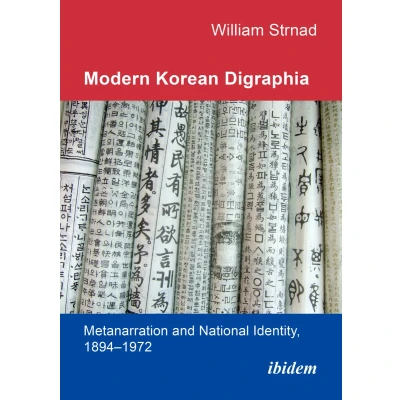
William Strnad traces the formation and development of modern Korean digraphia during the years 1894–1972. William Strnad traces the formation and development of modern Korean digraphia during the years 1894–1972, including a description and analysis of the historical discourse related to Korean phonetic script and Chinese characters. Modern Korean digraphia was contextualized and altered amid the global emancipation and speculative metanarratives of modernity, and the national metanarratives of nationalism and modernization. These constructions were shaped by the civilization discourse of the nineteenth century, imperialism, the experience of Japanese occupation, and after liberation, the Cold War politics of Marxist utopianism in North Korea and bourgeois progressivism in South Korea. By 1972, the narrative closure of the global and national metanarratives of modernity in both Koreas provided the socio-political space for the limited reversal of Korean script exclusivity, which had earlier been established in the North and was being implemented in the South.


Vergelijk aanbieders (1)

 Beschrijving
(1)
Beschrijving
(1)
William Strnad traces the formation and development of modern Korean digraphia during the years 1894–1972. William Strnad traces the formation and development of modern Korean digraphia during the years 1894–1972, including a description and analysis of the historical discourse related to Korean phonetic script and Chinese characters. Modern Korean digraphia was contextualized and altered amid the global emancipation and speculative metanarratives of modernity, and the national metanarratives of nationalism and modernization. These constructions were shaped by the civilization discourse of the nineteenth century, imperialism, the experience of Japanese occupation, and after liberation, the Cold War politics of Marxist utopianism in North Korea and bourgeois progressivism in South Korea. By 1972, the narrative closure of the global and national metanarratives of modernity in both Koreas provided the socio-political space for the limited reversal of Korean script exclusivity, which had earlier been established in the North and was being implemented in the South.
 Productspecificaties
| EAN |
|
|---|---|
| Maat |
|
 Prijshistorie
Prijzen voor het laatst bijgewerkt op:
 Gerelateerde resultaten


