
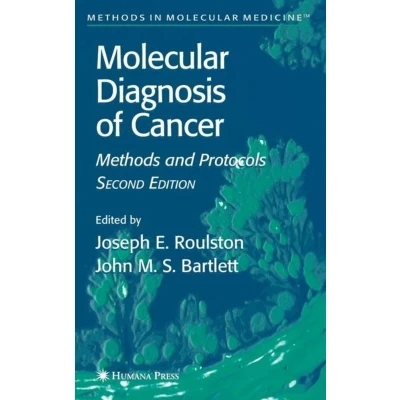
Molecular Diagnosis of Cancer
Uitgelicht

|
143,99 |
Naar shop
|
| VERGELIJK ALLE AANBIEDERS (1) | ||
 Beschrijving
Bol
We are currently experiencing a fundamental shift in the way in which we approach the characterization of cancer. These drugs are only the forerunners of a coming tidal wave of novel therapeutics that individually target specific m- ecules within cancer cells—more than 300 such agents are currently in phase I or II clinical trials. The growing tide of novel therapeutics that target molecules within a specific individual's cancer cells-over 300 such agents are currently in phase I or II clinical trials-makes it essential to employ appropriate diagnostic methods and approaches when selecting patients for treatment. In Molecular Diagnosis of Cancer: Methods and Protocols, a panel of leading international experts in molecular diagnostic medicine present a diverse collection of readily reproducible methods, derived from their own research for cancer detection. Highlights include FISH-based methodologies currently used in the diagnosis of solid tumors, the molecular diagnosis of genetic abnormalities by DNA array technologies-including sequence-specific oligonucleotide arrays and CGH arrays-and methodologies directed at the detection of epigenetic events and at quantitative gene expression. The authors apply these novel diagnostic procedures to a broad range of cases taken from cytology, solid tumor pathology, hematology, and rare cell detection, paying special attention to potential future developments and the practical problems of dealing with quality control and accuracy. The protocols presented follow the successful Methods in Molecular Medicine™ series format, each one offering step-by-step laboratory instructions, an introduction outlining the principle behind the technique, lists of equipment and reagents, and tips on troubleshooting and avoiding known pitfalls. Cutting-edge and highly practical, Molecular Diagnosis of Cancer: Methods and Protocols offers pathologists providing molecular diagnostic services and researchers seeking molecularly targeted therapeutic approaches a broad array of today's most powerful methods and techniques. A diverse collection of readily reproducible methods for use in cancer detection. Highlights include FISH-based methodologies currently used in the diagnosis of solid tumors, the molecular diagnosis of genetic abnormalities by DNA array technologies - including sequence-specific oligonucleotide arrays and CGH arrays - and methodologies directed at the detection of epigenetic events and at quantitative gene expression. The authors apply these novel diagnostic procedures to a broad range of cases taken from cytology, solid tumor pathology, hematology, and rare cell detection, paying special attention to potential future developments and the practical problems of dealing with quality control and accuracy.


Vergelijk aanbieders (1)

 Beschrijving
(1)
Beschrijving
(1)
We are currently experiencing a fundamental shift in the way in which we approach the characterization of cancer. These drugs are only the forerunners of a coming tidal wave of novel therapeutics that individually target specific m- ecules within cancer cells—more than 300 such agents are currently in phase I or II clinical trials. The growing tide of novel therapeutics that target molecules within a specific individual's cancer cells-over 300 such agents are currently in phase I or II clinical trials-makes it essential to employ appropriate diagnostic methods and approaches when selecting patients for treatment. In Molecular Diagnosis of Cancer: Methods and Protocols, a panel of leading international experts in molecular diagnostic medicine present a diverse collection of readily reproducible methods, derived from their own research for cancer detection. Highlights include FISH-based methodologies currently used in the diagnosis of solid tumors, the molecular diagnosis of genetic abnormalities by DNA array technologies-including sequence-specific oligonucleotide arrays and CGH arrays-and methodologies directed at the detection of epigenetic events and at quantitative gene expression. The authors apply these novel diagnostic procedures to a broad range of cases taken from cytology, solid tumor pathology, hematology, and rare cell detection, paying special attention to potential future developments and the practical problems of dealing with quality control and accuracy. The protocols presented follow the successful Methods in Molecular Medicine™ series format, each one offering step-by-step laboratory instructions, an introduction outlining the principle behind the technique, lists of equipment and reagents, and tips on troubleshooting and avoiding known pitfalls. Cutting-edge and highly practical, Molecular Diagnosis of Cancer: Methods and Protocols offers pathologists providing molecular diagnostic services and researchers seeking molecularly targeted therapeutic approaches a broad array of today's most powerful methods and techniques. A diverse collection of readily reproducible methods for use in cancer detection. Highlights include FISH-based methodologies currently used in the diagnosis of solid tumors, the molecular diagnosis of genetic abnormalities by DNA array technologies - including sequence-specific oligonucleotide arrays and CGH arrays - and methodologies directed at the detection of epigenetic events and at quantitative gene expression. The authors apply these novel diagnostic procedures to a broad range of cases taken from cytology, solid tumor pathology, hematology, and rare cell detection, paying special attention to potential future developments and the practical problems of dealing with quality control and accuracy.
 Productspecificaties
| EAN |
|
|---|---|
| Maat |
|
 Prijshistorie
Prijzen voor het laatst bijgewerkt op:
 Gerelateerde resultaten


