


€ 86,99 Gratis verzending

Uitgelicht
|
|
86,99 |
Naar shop
|
| VERGELIJK ALLE AANBIEDERS (1) | ||
 Beschrijving
Vergelijk aanbieders (1)
€ 86,99 Gratis verzending
Winkels met andere maten
Beschrijving
(1)
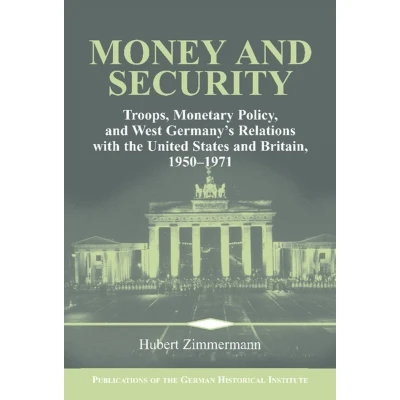
Links two fundamental political structures of the Cold War era; the transatlantic security system and the international monetary system. Both Washington and London identified the cost of British and American troops in Germany as a major reason for the decline of their currencies, whereas Germany reluctantly traded 'Money for Security.' This study links two fundamental political structures of the Cold War era, the transatlantic security system and the international monetary system. Central to this issue is a problem which soured relations between the Federal Republic and its allies from the 1950s to the 1970s: who was to bear the enormous cost of British and American troops in Germany? Both Washington and London identified this cost as a major reason for the decline of their currencies, whereas Germany reluctantly paid and traded 'Money for Security'; a fundamental pattern of its postwar foreign policy. The interweaving of money and security leads toward a more complete understanding of transatlantic history during the Cold War, one which provides an incisive comment on the pattern of simultaneous conflict and cooperation in the interaction of modern states, demonstrates the influence of domestic politics on foreign policies, and comments on the relative nature of American hegemony.
 Productspecificaties
| EAN |
|
|---|---|
| Maat |
|
 Prijshistorie
 Prijzen voor het laatst bijgewerkt op:
 Gerelateerde resultaten


