
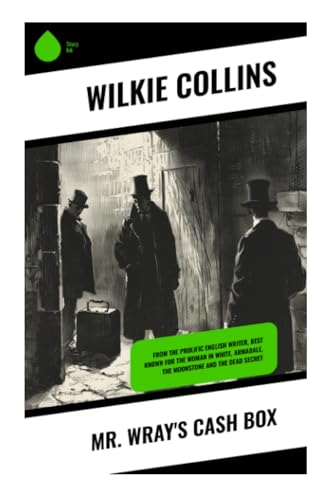
Mr Wray's Cash Box
Uitgelicht

|
8,20 |
Naar shop
|

|
8,20 |
Naar shop
|

|
9,20 |
Naar shop
|
| VERGELIJK ALLE AANBIEDERS (3) | ||
 Beschrijving
Bol
Mr Wray's Cash Box; or, The Mask and the Mystery is an early Collins entertainment that compresses intrigue, sentiment, and theatrical comedy into the form of a Christmas sketch. Centred on a guarded cash box and the suspicions, disguises, and revelations it provokes, the tale already displays Collins's delight in secrets, mistaken appearances, and cleverly delayed explanation. Its brisk, stage-conscious style belongs to the mid-Victorian culture of melodrama and festive fiction, while anticipating the narrative machinery of later sensation novels. Wilkie Collins, later celebrated for The Woman in White and The Moonstone, wrote this work during the formative years of his career, when he was moving between travel writing, fiction, and the theatrical world that deeply shaped his narrative imagination. Trained in law and alert to questions of evidence, inheritance, and social respectability, Collins found in apparently modest plots a way to test moral judgment and expose the instability of appearances. This book is recommended to readers interested in Collins's development as a craftsman of suspense. Though slighter than his masterpieces, it offers a lively glimpse of the themes-secrecy, performance, suspicion, and humane sympathy-that would define his mature fiction.


 Beschrijving
(1)
Beschrijving
(1)
Mr Wray's Cash Box; or, The Mask and the Mystery is an early Collins entertainment that compresses intrigue, sentiment, and theatrical comedy into the form of a Christmas sketch. Centred on a guarded cash box and the suspicions, disguises, and revelations it provokes, the tale already displays Collins's delight in secrets, mistaken appearances, and cleverly delayed explanation. Its brisk, stage-conscious style belongs to the mid-Victorian culture of melodrama and festive fiction, while anticipating the narrative machinery of later sensation novels. Wilkie Collins, later celebrated for The Woman in White and The Moonstone, wrote this work during the formative years of his career, when he was moving between travel writing, fiction, and the theatrical world that deeply shaped his narrative imagination. Trained in law and alert to questions of evidence, inheritance, and social respectability, Collins found in apparently modest plots a way to test moral judgment and expose the instability of appearances. This book is recommended to readers interested in Collins's development as a craftsman of suspense. Though slighter than his masterpieces, it offers a lively glimpse of the themes-secrecy, performance, suspicion, and humane sympathy-that would define his mature fiction.
 Productspecificaties
 Prijshistorie
* Prijshistorie bevat geen data van Amazon, Amazon Marketplace.
Prijzen voor het laatst bijgewerkt op:
 Gerelateerde resultaten


