


€ 19,99 Gratis verzending

Uitgelicht
|
|
19,99 |
Naar shop
|
| VERGELIJK ALLE AANBIEDERS (1) | ||
 Beschrijving
Vergelijk aanbieders (1)
€ 19,99 Gratis verzending
Winkels met andere maten
Beschrijving
(1)
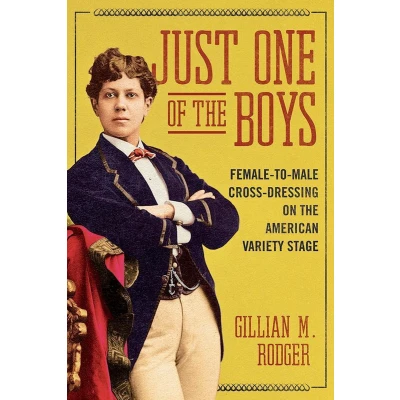
Female-to-male crossdressing became all the rage in the variety shows of nineteenth-century America and began as the domain of mature actresses who desired to extend their careers. These women engaged in the kinds of raucous comedy acts usually reserved for men. Over time, as younger women entered the specialty, the comedy became less pointed and more centered on the celebration of male leisure and fashion. Gillian M. Rodger uses the development of male impersonation from the early nineteenth century to the early twentieth century to illuminate the history of the variety show. Exploding notions of high- and lowbrow entertainment, Rodger looks at how both performers and forms consistently expanded upward toward respectable—and richer—audiences. At the same time, she illuminates a lost theatrical world where women made fun of middle-class restrictions even as they bumped up against rules imposed in part by audiences. Onstage, the actresses' changing performance styles reflected gender construction in the working class and shifts in class affiliation by parts of the audiences. Rodger observes how restrictive standards of femininity increasingly bound male impersonators as new gender constructions allowed women greater access to public space while tolerating less independent behavior from them.
 Productspecificaties
| EAN |
|
|---|---|
| Maat |
|
 Prijshistorie
 Prijzen voor het laatst bijgewerkt op:
 Gerelateerde resultaten


