
Mutual Insurance 1550 2015
Uitgelicht

|
100,00 |
Naar shop
|
| VERGELIJK ALLE AANBIEDERS (1) | ||
 Beschrijving
Bol Partner
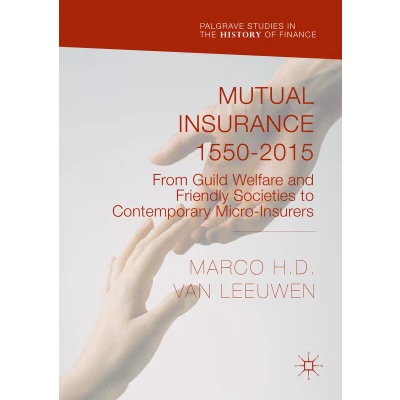
Yet, mutual and micro-insurance is becoming increasingly important, both in the Western and in the non-Western world and bears re-examination. This book traces the track record of mutual insurance from 1550 to the present, examining provisions for burial, sickness, unemployment, old age, and widowhood. In the modern Western world, we tend to be insured by the state or for-profit insurers. We have privileged this system over mutual or micro-insurance, whose long and rich history we tend to forget. Yet, mutual and micro-insurance is becoming increasingly important, both in the Western and in the non-Western world and bears re-examination. This book traces the track record of mutual insurance from 1550 to the present, examining provisions for burial, sickness, unemployment, old age, and widowhood. The author seeks to address such topics as the type of risks micro-insurance covered between 1550 and 2015; how it was organized throughout its history; who provided the coverage; and how contributions, benefit levels, and conditions have changed. Importantly, the author explores why this system has worked through, and endured, the test of time. Mutual insurance can, for instance, overcome classic insurance problems such as adverse selection and moral hazards. The author demonstrates that the study of the position micro-insurance historically assumed in mixed economies of welfare presents interesting lessons for today’s insurance market, as well as for today’s mutualism. In the modern Western world, we tend to be insured by the state or for-profit insurers. We have privileged this system over mutual or micro-insurance, whose long and rich history we tend to forget. Yet, mutual and micro-insurance is becoming increasingly important, both in the Western and in the non-Western world and bears re-examination. This book traces the track record of mutual insurance from 1550 to the present, examining provisions for burial, sickness, unemployment, old age, and widowhood. The author seeks to address such topics as the type of risks micro-insurance covered between 1550 and 2015; how it was organized throughout its history; who provided the coverage; and how contributions, benefit levels, and conditions have changed. Importantly, the author explores why this system has worked through, and endured, the test of time. Mutual insurance can, for instance, overcome classic insurance problems such as adverse selection and moral hazards. The author demonstrates that the study of the position micro-insurance historically assumed in mixed economies of welfare presents interesting lessons for today’s insurance market, as well as for today’s mutualism.


Vergelijk aanbieders (1)

 Beschrijving
(1)
Beschrijving
(1)
Yet, mutual and micro-insurance is becoming increasingly important, both in the Western and in the non-Western world and bears re-examination. This book traces the track record of mutual insurance from 1550 to the present, examining provisions for burial, sickness, unemployment, old age, and widowhood. In the modern Western world, we tend to be insured by the state or for-profit insurers. We have privileged this system over mutual or micro-insurance, whose long and rich history we tend to forget. Yet, mutual and micro-insurance is becoming increasingly important, both in the Western and in the non-Western world and bears re-examination. This book traces the track record of mutual insurance from 1550 to the present, examining provisions for burial, sickness, unemployment, old age, and widowhood. The author seeks to address such topics as the type of risks micro-insurance covered between 1550 and 2015; how it was organized throughout its history; who provided the coverage; and how contributions, benefit levels, and conditions have changed. Importantly, the author explores why this system has worked through, and endured, the test of time. Mutual insurance can, for instance, overcome classic insurance problems such as adverse selection and moral hazards. The author demonstrates that the study of the position micro-insurance historically assumed in mixed economies of welfare presents interesting lessons for today’s insurance market, as well as for today’s mutualism. In the modern Western world, we tend to be insured by the state or for-profit insurers. We have privileged this system over mutual or micro-insurance, whose long and rich history we tend to forget. Yet, mutual and micro-insurance is becoming increasingly important, both in the Western and in the non-Western world and bears re-examination. This book traces the track record of mutual insurance from 1550 to the present, examining provisions for burial, sickness, unemployment, old age, and widowhood. The author seeks to address such topics as the type of risks micro-insurance covered between 1550 and 2015; how it was organized throughout its history; who provided the coverage; and how contributions, benefit levels, and conditions have changed. Importantly, the author explores why this system has worked through, and endured, the test of time. Mutual insurance can, for instance, overcome classic insurance problems such as adverse selection and moral hazards. The author demonstrates that the study of the position micro-insurance historically assumed in mixed economies of welfare presents interesting lessons for today’s insurance market, as well as for today’s mutualism.
 Productspecificaties
| EAN |
|
|---|---|
| Maat |
|
 Prijshistorie
Prijzen voor het laatst bijgewerkt op:
 Gerelateerde resultaten


