


€ 13,50 € 2,99 verzendkosten Totaal € 16,49

Gesponsorde links
|
|
13,50 |
Naar shop
|

|
13,91 |
Naar shop
|

|
13,91 |
Naar shop
|
| VERGELIJK ALLE AANBIEDERS (3) | ||
 Beschrijving
Vergelijk aanbieders (3)
Gesponsorde links · Sommige shops betalen ons een vergoeding
€ 13,50 € 2,99 verzendkosten Totaal € 16,49
€ 13,91 Gratis verzending
€ 13,91 Gratis verzending
Winkels met andere maten
Beschrijving
(1)
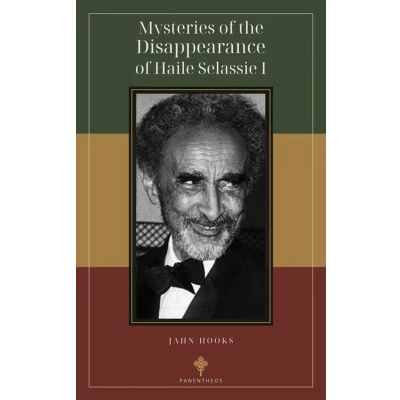
```htmlA government announced a death. It did not publicly show the body.In August 1975, Ethiopia's Derg declared Haile Selassie I dead, attributing his death to complications after surgery. His personal physician was summoned and turned away. No independent autopsy was allowed, and the burial was concealed. Later proceedings alleged strangulation. In 1992, remains accepted by the state, Church, and royal family as the Emperor's were recovered from the palace grounds-but the author has located no publicly accessible genetic identification of them.What, then, does the public record establish-and what remains unresolved?Jahn Hooks reexamines the competing official narratives through published reporting on Derg trial testimony, the history of concealed royal deaths in Ethiopia, Ethiopian oral memory, Rastafari testimony, and the scriptural world of Ethiopian Orthodox Christianity. He carefully distinguishes documented events from reported testimony, living tradition, theology, and speculation.This is a faith inquiry, not a forensic verdict. It does not claim to prove that Haile Selassie survived 1975. Instead, it asks why Rastafari refused the state's account, how Ethiopian traditions of hidden sovereignty and sacred presence shape that refusal, and whether the available evidence justifies the certainty with which his death is commonly narrated.The question is not whether mystery proves survival. It is whether official certainty was ever earned. ```
 Prijshistorie
* Prijshistorie bevat geen data van Amazon, Amazon Marketplace.
Prijzen voor het laatst bijgewerkt op:
 Gerelateerde resultaten
 Productspecificaties


