

€ 9,62 Gratis verzending

Uitgelicht
|
|
9,62 |
Naar shop
|

|
10,50 |
Naar shop
|
| VERGELIJK ALLE AANBIEDERS (2) | ||
 Beschrijving
Vergelijk aanbieders (2)
€ 9,62 Gratis verzending
€ 10,50 € 2,99 verzendkosten Totaal € 13,49
Winkels met andere maten
Beschrijving
(1)
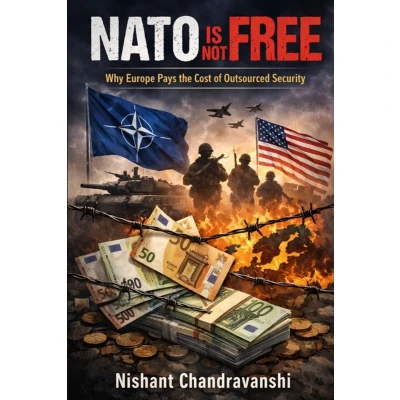
Nothing failed. That's why the cost went unnoticed.For decades, Europe lived under security that worked so well it stopped being questioned. Borders stayed quiet. Crises stayed distant. Normal life continued.That success changed judgment.NATO Is Not Free is not a political book. It does not argue for or against NATO. It assigns no blame. It proposes no reforms.Instead, it asks a harder question: What happens to judgment when protection lasts so long that it feels free?This book is a system-level diagnosis of long security. Not of intentions. Not of ideology. Of incentives.It shows how protection reshapes behavior before outcomes change.How defense slowly shifted from capability to coordination. How ownership turned into access. How guarantees began to function like insurance-and how insurance alters risk-taking without announcing it.The argument is not dramatic. That's the point.Nothing breaks suddenly. Capability erodes quietly. Responsibility migrates without a vote. Confidence survives longer than capacity.The book examines this process across: - Alliance design and permanent guarantees- Defense budgets and political incentives- Industrial capacity and procurement loops- Intelligence, surveillance, and information dependence- Energy flows, logistics, and geographic constraint- Why escalation follows feasibility, not explanationIt makes the strongest possible case for NATO first-why collective defense worked, why it prevented war, and why its success mattered. Only then does it show how long success created blind spots that no ideology caused and no individual chose.You will not find villains. You will not find policy advice. You will not be told what Europe should do.You will see how systems behave when safety is reliable, costs are deferred, and risk feels external.This is a book about judgment under comfort. About how insurance changes behavior. About how dependence can exist without feeling like weakness. About why money is never the real cost of outsourced security.The central claim is simple-and uncomfortable: Security is never free. The bill is only delayed.And when it arrives, most choices have already been made.This book is written for readers who care less about slogans and more about structure. Who want to understand how erosion happens without failure. >Regards Nishant Chandravanshi
 Prijshistorie
 * Prijshistorie bevat geen data van Amazon.
Prijzen voor het laatst bijgewerkt op:
 Gerelateerde resultaten
 Productspecificaties


