


€ 19,58 € 2,99 verzendkosten Totaal € 22,57

Gesponsorde links
|
|
19,58 |
Naar shop
|

|
20,40 |
Naar shop
|

|
20,40 |
Naar shop
|
| VERGELIJK ALLE AANBIEDERS (3) | ||
 Beschrijving
Vergelijk aanbieders (3)
Gesponsorde links · Sommige shops betalen ons een vergoeding
€ 19,58 € 2,99 verzendkosten Totaal € 22,57
€ 20,40 Gratis verzending
€ 20,40 Gratis verzending
Winkels met andere maten
Beschrijving
(1)
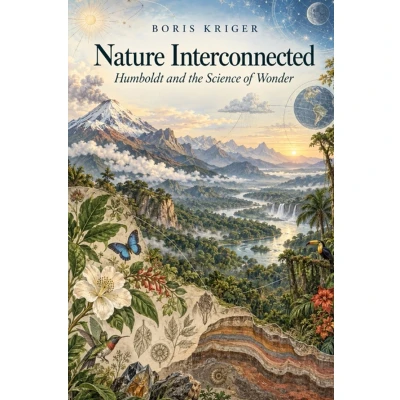
Everything in nature is connected. Alexander von Humboldt is the reason we say it, and this book is an argument with him about it. He was the most famous scientist alive in 1859 and he founded nothing: no law, no equation, no discipline with his name over the door. What he built instead was a way of taking a measurement in a canoe on the Orinoco that would mean exactly the same thing as a measurement taken in a Berlin garden. Fifty instruments, each in its own velvet-lined box, hauled across an ocean and up mountains by a man who fainted in a mine testing a lamp he had designed himself, blistered his own back with zinc and silver to see what would happen, and once talked at a visitor in five languages without noticing he had switched. Once every reading on Earth is expressed in the same terms, the readings begin to rhyme. Of course they do. He wrote the rhyme scheme. The harmony he heard in nature was the harmony of his own method working perfectly - and that is not the smaller achievement, it is the one that survived him, because the lines he drew through his numbers became climatology, biogeography, and every global monitoring network now watching the planet. >Keywords: Alexander von Humboldt, history of science, scientific instruments, exploration, climate science, philosophy of science, nature writing
 Prijshistorie
* Prijshistorie bevat geen data van Amazon, Amazon Marketplace.
Prijzen voor het laatst bijgewerkt op:
 Gerelateerde resultaten
 Productspecificaties


