


€ 24,85 € 2,99 verzendkosten Totaal € 27,84

Gesponsorde links
|
|
24,85 |
Naar shop
|

|
32,80 |
Naar shop
|
| VERGELIJK ALLE AANBIEDERS (2) | ||
 Beschrijving
Vergelijk aanbieders (2)
Gesponsorde links · Sommige shops betalen ons een vergoeding
€ 24,85 € 2,99 verzendkosten Totaal € 27,84
€ 32,80 € 3,14 verzendkosten Totaal € 35,94
Winkels met andere maten
Beschrijving
(1)
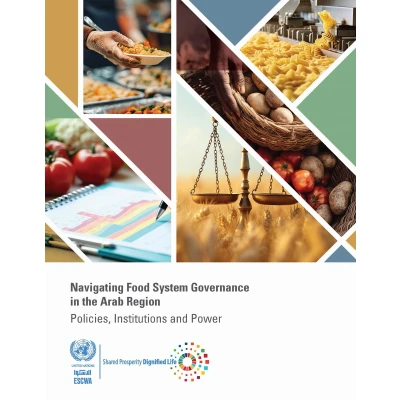
Revamping food systems in the Arab world requires decisive governance to confront fragile ecosystems, unequal trade dynamics, and post-conflict challenges. Balancing nutritional, economic, and social needs depends on clear policy vision, resilient institutions, and coordinated stakeholder action to overcome resource scarcity and power imbalances. Transforming food systems in the Arab region is an urgent and complex challenge. Countries are tasked with meeting the nutritional, economic, and social needs of their populations while respecting the limits of fragile ecosystems. They must ensure food availability, reliable imports amid unequal global trade relations. Many countries are tasked with rebuilding their food systems in the aftermath of conflict, while trying to break cycles of fragility and food insecurity. Central to addressing these challenges is effective governance, which shapes resource management, how power is exercised, and how development objectives are pursued. Good governance is participatory, consensus-oriented, accountable, transparent, responsive, effective and efficient, equitable and inclusive, and upholds the rule of law. This publication highlights governance as a central pillar for transforming food systems in the region. It stresses the role of clear vision and policy orientation in guiding impactful action. It also discusses the importance of robust institutional structures that balance centralization and decentralization while enhancing coordination across stakeholders. The report emphasizes institutional effectiveness, including accountability mechanisms, data and monitoring systems, and stakeholder participation. It further explores systemic challenges and power imbalances in allocating scarce natural resources, global market inequalities, and the links between food insecurity and conflict. Key policy areas—including strategic food reserves, trade policies, and food subsidies—are presented to illustrate how good governance can guide coordinated, evidence-based, and participatory approaches. In doing so, the publication delivers actionable insights for policymakers, development partners, and practitioners committed to enhancing governance and driving food systems transformation across the Arab region.
 Prijshistorie
* Prijshistorie bevat geen data van Amazon.
Prijzen voor het laatst bijgewerkt op:
 Gerelateerde resultaten
 Productspecificaties


