

€ 43,23 Gratis verzending

Uitgelicht
|
|
43,23 |
Naar shop
|

|
43,23 |
Naar shop
|

|
43,23 |
Naar shop
|
| VERGELIJK ALLE AANBIEDERS (3) | ||
 Beschrijving
Vergelijk aanbieders (3)
€ 43,23 Gratis verzending
€ 43,23 Gratis verzending
€ 43,23 Gratis verzending
Winkels met andere maten
Beschrijving
(1)
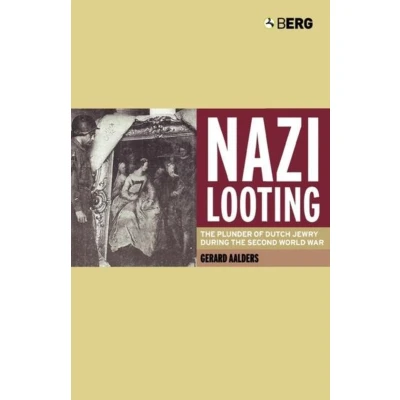
In the Netherlands, 8.5 million citizens suffered losses estimated at 3.6 billion guilders. This book offers a history of the Dutch experience and demonstrates how reputable institutions acted as collaborators. It shows how the Germans systematically robbed Dutch Jewry through a variety of means that gave the outward appearance of honest trading. The Nazi looting machine was notoriously efficient during the Second World War. In the Netherlands, 8.5 million citizens suffered losses estimated at 3.6 billion guilders. Approximately one-third of these losses were borne by Jews, who comprised only 1.6% of the total population. In todays terms, the German occupiers stripped the Jewish population of assets worth $7 billion.Nazi Looting offers a comprehensive history of the Dutch experience and demonstrates how reputable indigenous institutions acted as willing collaborators. Beginning with a survey of international law and various definitions of 'looting', the author shows how the Germans systematically robbed Dutch Jewry through a variety of means that gave the outward appearance of honest trading. Forced to sell under duress and at unreasonably low prices, few dared refuse the German on the doorstep when threatened with prison or incarceration in a camp.The plundering was total and systematic. In May 1940, a team of highly trained art historians, linguists, musicologists and literary experts arrived immediately behind the victorious German troops to catalogue the vast collections for Hitler. From 1941, Jews were compelled to deposit all their money into a bank called Lippmann, Rosenthal Co. The name of the bank itself was a cynical ploy since it was taken from a respected, Jewish-owned Amsterdam bank and presented as a new branch. This bank, however, simply channelled money into the Third Reich with the help of the Amsterdam Stock Exchange, insurance brokers and other well-established Dutch banks. Once the Jews were deported, their houses were emptied and the contents used to re-furnish bombed out areas of the Reich. In common with many other formerly Nazi-occupied countries in Europe, the Netherlands has been unable to retrieve many of its pre-war assets. More than fifty years after the wars end, 20% of its most important pre-war museum exhibits and approximately 80% of the less important works remain untrace
 Prijshistorie
 * Prijshistorie bevat geen data van Amazon, Amazon Marketplace.
Prijzen voor het laatst bijgewerkt op:
 Gerelateerde resultaten
 Productspecificaties


