


€ 79,11 Gratis verzending

Uitgelicht
|
|
79,11 |
Naar shop
|
| VERGELIJK ALLE AANBIEDERS (1) | ||
 Beschrijving
Vergelijk aanbieders (1)
€ 79,11 Gratis verzending
Winkels met andere maten
Beschrijving
(1)
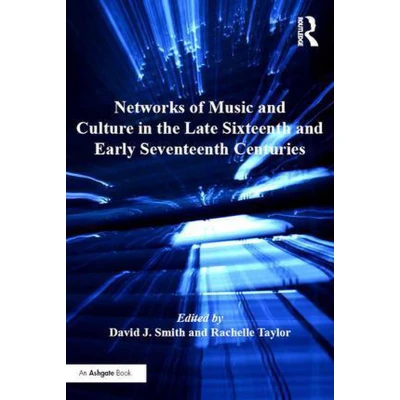
Peter Philips (c.1560-1628) was an English organist, composer, priest and spy. He was embroiled in multifarious intersecting musical, social, religious and political networks linking him with some of the key international players in these spheres. Despite the undeniable quality of his music, Philips does not fit easily into an overarching, progressive view of music history in which developments taking place in centres judged by historians to be of importance are given precedence over developments elsewhere, which are dismissed as peripheral. These principal loci of musical development are given prominence over secondary ones because of their perceived significance in terms of later music. However, a consideration of the networks in which Philips was involved suggests that he was anything but at the periphery of the musical, cultural, religious and political life of his day. In this book, Philips’s life and music serve as a touchstone for a discussion of various kinds of network in the late sixteenth and early seventeenth centuries. The study of networks enriches our appreciation and understanding of musicians and the context in which they worked. The wider implication of this approach is a constructive challenge to orthodox historiographies of Western art music in the Early Modern Period.
 Productspecificaties
| EAN |
|
|---|---|
| Maat |
|
 Prijshistorie
 Prijzen voor het laatst bijgewerkt op:
 Gerelateerde resultaten


