
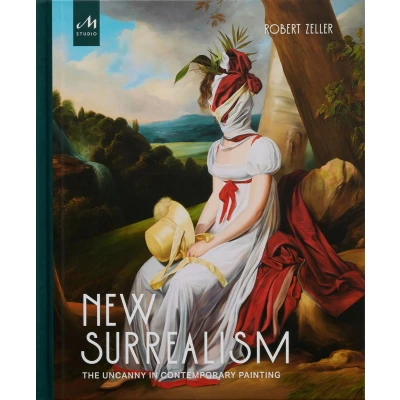
New Surrealism: The Uncanny in Contemporary Painting
Uitgelicht

|
37,95 |
Naar shop
|

|
37,95 |
Naar shop
|

|
37,95 |
Naar shop
|
| VERGELIJK ALLE AANBIEDERS (4) | ||
 Beschrijving
New Surrealism biedt een breed overzicht van de geschiedenis van het Surrealisme en laat zien hoe de thema’s van de vroege Surrealisten terugkeren in hedendaagse tekening en compositie. Het boek combineert kritisch historisch inzicht met een up-close verkenning van toonaangevende hedendaagse beoefenaars en gaat in op hoe diverse kunstenaars moderne variaties toepassen op de centrale thema’s van Surrealisme. Een tweede deel wijst op de werkwijzen van veertien huidige kunstenaars en neemt de lezer mee naar hun studio’s om te zien hoe zij hun werk stap voor stap creëren. Hoewel niet elke kunstenaar zich expliciet als Surrealist profileert, gebruiken zij varianten van de Surrealistische traditie op een persoonlijke en veelzijdige manier. De kenmerken van Surrealisme zoals het on-Doorzichtige waarnemen, het samenbrengen van ongerelateerde beelden, absurditeit ter critique en het gebruik van erotiek in een irrationele, niet-lineaire context, komen nog altijd terug in hedendaagse beelden. Het boek behandelt over honderd jaar Surrealisme en hoe dit beweging nog steeds invloed heeft op moderne kunstpraktijken.
Inhoud
- Historisch overzicht van Surrealisme en Dada.
- Survey hedendaags Surrealisme en kunstenaars wereldwijd.
- Veertien kunstenaars tonen werkwijzen in hun studio.
- Drie secties: oorsprong, huidige praktijk, technieken.
- Invloed van Surrealisme op moderne compositie en thematiek.
Technische informatie
- Pagina's: 335
- Editie: Eerste editie
- Formaat: Hardcover, Monacelli Studio


 Beschrijving
New Surrealism biedt een breed overzicht van de geschiedenis van het Surrealisme en laat zien hoe de thema’s van de vroege Surrealisten terugkeren in hedendaagse tekening en compositie. Het boek combineert kritisch historisch inzicht met een up-close verkenning van toonaangevende hedendaagse beoefenaars en gaat in op hoe diverse kunstenaars moderne variaties toepassen op de centrale thema’s van Surrealisme. Een tweede deel wijst op de werkwijzen van veertien huidige kunstenaars en neemt de lezer mee naar hun studio’s om te zien hoe zij hun werk stap voor stap creëren. Hoewel niet elke kunstenaar zich expliciet als Surrealist profileert, gebruiken zij varianten van de Surrealistische traditie op een persoonlijke en veelzijdige manier. De kenmerken van Surrealisme zoals het on-Doorzichtige waarnemen, het samenbrengen van ongerelateerde beelden, absurditeit ter critique en het gebruik van erotiek in een irrationele, niet-lineaire context, komen nog altijd terug in hedendaagse beelden. Het boek behandelt over honderd jaar Surrealisme en hoe dit beweging nog steeds invloed heeft op moderne kunstpraktijken.
Inhoud
- Historisch overzicht van Surrealisme en Dada.
- Survey hedendaags Surrealisme en kunstenaars wereldwijd.
- Veertien kunstenaars tonen werkwijzen in hun studio.
- Drie secties: oorsprong, huidige praktijk, technieken.
- Invloed van Surrealisme op moderne compositie en thematiek.
Technische informatie
- Pagina's: 335
- Editie: Eerste editie
- Formaat: Hardcover, Monacelli Studio
 Productspecificaties
 Prijshistorie
* Prijshistorie bevat geen data van Amazon, Amazon Marketplace.
Prijzen voor het laatst bijgewerkt op:
 Gerelateerde resultaten


