

€ 15,58 Gratis verzending

Gesponsorde links
|
|
15,58 |
Naar shop
|

|
15,58 |
Naar shop
|

|
17,00 |
Naar shop
|
| VERGELIJK ALLE AANBIEDERS (3) | ||
 Beschrijving
Vergelijk aanbieders (3)
Gesponsorde links · Sommige shops betalen ons een vergoeding
€ 15,58 Gratis verzending
€ 15,58 Gratis verzending
€ 17,00 € 2,99 verzendkosten Totaal € 19,99
Winkels met andere maten
Beschrijving
(1)
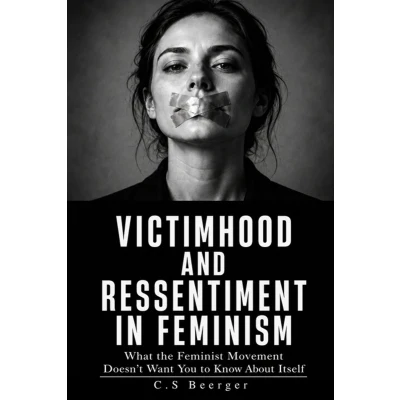
What happens when a movement built to overcome victimhood begins to derive political power from the identity of the victim?Feminism transformed the modern world. It expanded women's freedom, challenged structures of domination, and brought forms of violence and inequality once confined to private life into public and political debate.But within feminism itself, a far more uncomfortable question emerged: Can the language of oppression become a source of moral power? Can a politics created to liberate women come to define them primarily through injury? And what happens when the demand for justice begins to depend on the permanent existence of an enemy?Originally developed as a controversial master's thesis in Brazil, Victimhood and Ressentiment in Feminism has been extensively rewritten for an international audience. Drawing on Friedrich Nietzsche's concept of ressentiment, C.S Beerger revisits one of the most divisive and rarely confronted debates in modern feminist thought: the conflict between victimhood and agency, vulnerability and power, emancipation and moral authority.From the American Second Wave and radical feminism to the Equal Rights Amendment and the feminist sex wars, the book follows a conflict that unfolded not simply between feminists and their opponents, but within feminism itself.Along the way, Beerger engages with Naomi Wolf, Katie Roiphe, Wendy Brown, Marion Tapper, Rebecca Stringer, radical feminist manifestos, and the intellectual disputes that shaped the movement's internal battles over sexuality, oppression, consent, power, and political identity.At the heart of the book lies a distinction that is simple, but politically explosive: To suffer an injustice is not the same as building a political identity around victimhood. And acknowledging suffering does not place every claim made in the name of the victim beyond criticism.The deeper problem begins when injury no longer describes what happened to someone, but starts defining who they are-and when political recognition becomes inseparable from preserving the wound.This book does not deny sexism, violence, discrimination, or structural inequality. Its argument is more unsettling: a politics of emancipation can itself produce new forms of moral power.And that leads to the question that runs through the entire book: How can we remember injustice without becoming dependent on the wound?Provocative without being polemical, Victimhood and Ressentiment in Feminism is for readers interested in Nietzsche, feminism, political theory, identity politics, culture wars, victimhood, polarization, and the moral psychology of contemporary politics.
 Prijshistorie
* Prijshistorie bevat geen data van Amazon, Amazon Marketplace.
Prijzen voor het laatst bijgewerkt op:
 Gerelateerde resultaten
 Productspecificaties


