


€ 17,00 € 2,99 verzendkosten Totaal € 19,99

Uitgelicht
|
|
17,00 |
Naar shop
|

|
41,63 |
Naar shop
|
| VERGELIJK ALLE AANBIEDERS (2) | ||
 Beschrijving
Vergelijk aanbieders (2)
€ 17,00 € 2,99 verzendkosten Totaal € 19,99
€ 41,63 € 9,99 verzendkosten Totaal € 51,62
Winkels met andere maten
Beschrijving
(1)
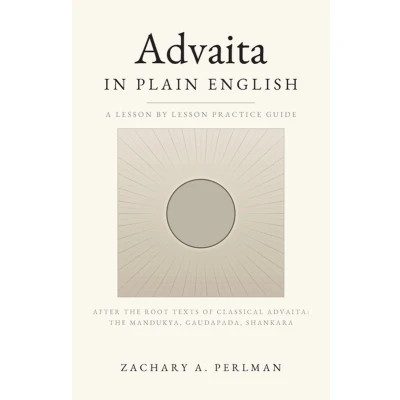
You read the sentence, or you hear it said out loud in a room, and something in you agrees completely. There is no separate self. You are not the body and not the mind. It lands, it is obviously true, and it changes nothing. A week later you are the same person with the same temper and the same fears, now carrying a sentence you cannot argue with and cannot use.Classical Advaita Vedanta anticipated that. It has a name for the gap between agreeing and knowing, an account of why the gap is there, and a three-part method aimed at exactly one thing, which is closing it. That material is twelve centuries old, detailed, and practical, and it is almost entirely missing from the way this teaching reaches English.What usually arrives instead is the conclusion. Nothing to do, nobody to do it, you are already that. Every one of those statements is something the tradition holds to be true. Handed to a person who has not done the work, they are simply new beliefs, and a new belief is what you already had too many of.This book is the method rather than the conclusion, arranged as twenty lessons across six modules.What You Will Work ThroughWhy the tradition says not two rather than one, and why the difference is not a quibbleThe four great sayings, and the exact operation that makes that thou art mean somethingThe seer and the seen: one sentence, applied upward until nothing is left standingThe doer, and the guardrail that keeps this from becoming an excuseWaking, dreaming, and dreamless sleep as three pieces of evidence, only one of which you have countedWhy the habits keep firing in someone who genuinely does know, and what to do instead of suppressing themLiberation while living, deflated of its glamour and stated plainly
 Prijshistorie
 * Prijshistorie bevat geen data van Amazon.
Prijzen voor het laatst bijgewerkt op:
 Gerelateerde resultaten
 Productspecificaties


