


€ 18,00 € 2,99 verzendkosten Totaal € 20,99

Gesponsorde links
|
|
18,00 |
Naar shop
|

|
18,81 |
Naar shop
|
| VERGELIJK ALLE AANBIEDERS (2) | ||
 Beschrijving
Vergelijk aanbieders (2)
Gesponsorde links · Sommige shops betalen ons een vergoeding
€ 18,00 € 2,99 verzendkosten Totaal € 20,99
€ 18,81 Gratis verzending
Winkels met andere maten
Beschrijving
(1)
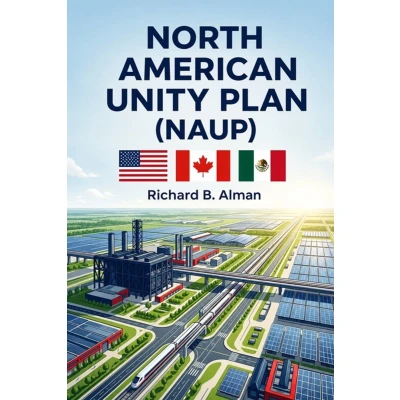
The North American Unity Plan (NAUP) is a strategic initiative designed to foster seamless economic, social, and industrial integration between the US, Canada and Mexico. Unlike traditional trade agreements, NAUP envisions a long-term, structural collaboration that includes: Jointly-owned Free Trade Zones (FTZs) across US-Canada/Mexican border states. Shared ownership, revenue, and workforce (50/50 between US and Canadian/Mexican citizens). A de-escalation of trade and tariff tensions through legally binding economic structures. A proactive national security response to deter geopolitical encroachment from global rivals like China and Russia - Economic Resilience: It offers an answer to decaying trade dynamics, unstable tariffs, and job loss. NAUP enables bilateral wins, stabilizing markets on both sides of the border. - Geostrategic Urgency: With increasing influence from China and Russia in the Western Hemisphere, NAUP becomes a geopolitical bulwark by reinforcing continental loyalty and preventing foreign military or economic footholds in either Canada or Mexico. - Social Cohesion: NAUP is not only about macroeconomics. It aims to dignify labor, keep families united, and reduce dangerous migration by bringing quality jobs to hometowns. - Secure Governmental Buy-In: o Present the initiative as a mutual win for each country. o Highlight ownership and fiscal benefits for US and Canadian authorities. o Position NAUP as a legacy project for political stakeholders, especially in upcoming US administrations. - Establish Cross-Border Free Trade Zones: o One per border state (e.g., New Hampshire/Quebec, North Dakota/Manitoba o 25-50 million sq ft per site. o Legally designate properties in advance to grant tariff relief immediately upon lease agreement. - Activate Strategic Messaging: o Deliver a coordinated communications strategy to stakeholders. o Leverage relationships with influential players to ensure traction and continuity
 Prijshistorie
* Prijshistorie bevat geen data van Amazon.
Prijzen voor het laatst bijgewerkt op:
 Gerelateerde resultaten
 Productspecificaties


