
Not Just a Housewife: Women Strike for Peace and the Cold War Women's Movement
Uitgelicht

|
39,95
29,99 |
Naar shop
|

|
33,17 |
Naar shop
|
| VERGELIJK ALLE AANBIEDERS (2) | ||
 Beschrijving
Bol
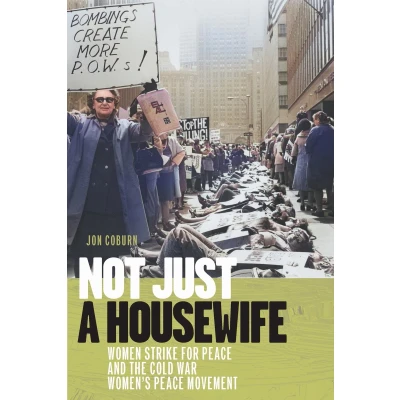
Thousands of middle-class women united to defy nuclear threats and political repression, harnessing the moral weight of motherhood during the Cold War. Their grassroots activism melded radical protest with respectability, influencing arms treaties and redefining the role of women in American peace movements. Illuminating a powerful yet underappreciated force in the American peace and women's movements On November 1, 1961, thousands of middle-class white women took to the streets throughout the United States to demonstrate against atomic weapons. They were brought together by the group Women Strike for Peace (WSP), which grew from modest beginnings at a Georgetown cocktail party to become one of the most effective peace organizations in American history. Under the stewardship of children's book illustrator Dagmar Wilson, and with indispensable support from figures such as Bella Abzug, a lawyer who would later help found the National Women's Political Caucus and serve as US Representative for New York, WSP branches spread to cities and towns across the country, and the group influenced major arms-control treaties and successful antiwar efforts of the Cold War period. Single-handedly, WSP dismantled the McCarthyite House Un-American Activities Committee (HUAC), catalysed public support for the 1963 Nuclear Weapons Test Ban Treaty, and brokered unprecedented exchanges between American and Vietnamese women during the American War in Vietnam. WSP accomplished their political wins , in part, through a public image that stressed the inherent moral authority and sanctity of motherhood. In Not Just a Housewife, Jon Coburn explores the fascinating story of WSP to argue that the group's historic significance was much more complex than the maternal activism for which it is often remembered. He traces activists' evolution through the Cold War's cultural upheavals, uncovering the significance of forgotten episodes, such as the extraordinary self-immolation of 82-year-old Detroit activist Alice Herz and WSP's unheralded contributions to the 1977 National Women's Conference. In so doing, Coburn recovers WSP's revolutionary politics and militant protests and contends that the organization fused this radical activism with the seeming respectability of motherhood. Through unprecedented access to organizational archives and oral histories, Not Just a Housewife details how WSP's unique fusion of radicalism and respectability significantly shaped Cold War-era women's peace movement history, as well as the broader American culture.


 Beschrijving
(1)
Beschrijving
(1)
Thousands of middle-class women united to defy nuclear threats and political repression, harnessing the moral weight of motherhood during the Cold War. Their grassroots activism melded radical protest with respectability, influencing arms treaties and redefining the role of women in American peace movements. Illuminating a powerful yet underappreciated force in the American peace and women's movements On November 1, 1961, thousands of middle-class white women took to the streets throughout the United States to demonstrate against atomic weapons. They were brought together by the group Women Strike for Peace (WSP), which grew from modest beginnings at a Georgetown cocktail party to become one of the most effective peace organizations in American history. Under the stewardship of children's book illustrator Dagmar Wilson, and with indispensable support from figures such as Bella Abzug, a lawyer who would later help found the National Women's Political Caucus and serve as US Representative for New York, WSP branches spread to cities and towns across the country, and the group influenced major arms-control treaties and successful antiwar efforts of the Cold War period. Single-handedly, WSP dismantled the McCarthyite House Un-American Activities Committee (HUAC), catalysed public support for the 1963 Nuclear Weapons Test Ban Treaty, and brokered unprecedented exchanges between American and Vietnamese women during the American War in Vietnam. WSP accomplished their political wins , in part, through a public image that stressed the inherent moral authority and sanctity of motherhood. In Not Just a Housewife, Jon Coburn explores the fascinating story of WSP to argue that the group's historic significance was much more complex than the maternal activism for which it is often remembered. He traces activists' evolution through the Cold War's cultural upheavals, uncovering the significance of forgotten episodes, such as the extraordinary self-immolation of 82-year-old Detroit activist Alice Herz and WSP's unheralded contributions to the 1977 National Women's Conference. In so doing, Coburn recovers WSP's revolutionary politics and militant protests and contends that the organization fused this radical activism with the seeming respectability of motherhood. Through unprecedented access to organizational archives and oral histories, Not Just a Housewife details how WSP's unique fusion of radicalism and respectability significantly shaped Cold War-era women's peace movement history, as well as the broader American culture.
 Productspecificaties
 Prijshistorie
* Prijshistorie bevat geen data van Amazon.
Prijzen voor het laatst bijgewerkt op:
 Gerelateerde resultaten


