


€ 24,95 Gratis verzending

Uitgelicht
|
|
24,95 |
Naar shop
|

|
24,95 |
Naar shop
|
| VERGELIJK ALLE AANBIEDERS (2) | ||
 Beschrijving
Vergelijk aanbieders (2)
€ 24,95 Gratis verzending
€ 24,95 € 2,99 verzendkosten Totaal € 27,94
Winkels met andere maten
Beschrijving
(2)
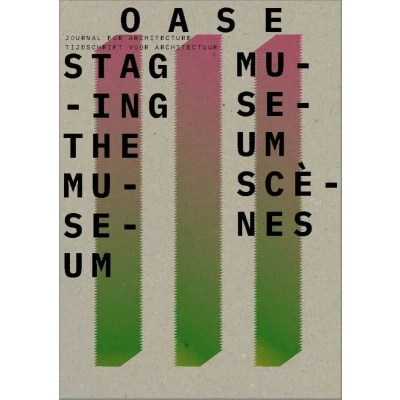
Museums not only facilitate encounters among visitors, objects and stories, but they also facilitate the staging of these visits. They organize tours of the exhibition spaces as well as provide additional publicly accessible spaces, including entrances, corridors, auditoriums and museum cafés. In nineteenth-century monumental art museums, the transition from city to museum interior was dramatized. Climbing the stairs of Schinkel’s Altes Museum in Berlin or traversing the pergola between the ponds in Berlage’s Kunstmuseum in The Hague urges visitors to leave the everyday world behind. The post-war, ‘barrier-free’ museum, with squares and streets inside and out, seems to want to abolish this city-museum boundary. At the same time, other internal boundaries are being revised, namely those between front stage and backstage. Depots are being made accessible and visitors can now take a look inside restoration studios. This edition of OASE examines how historical and contemporary buildings stage museum visits and museum activities, how permanent furnishings and temporary scenography interact, and how museums display their activities either transparently or imaginatively.
BoekenwereldMuseums not only facilitate encounters among visitors, objects and stories, but they also facilitate the staging of these visits. They organize tours of the exhibition spaces as well as provide additional publicly accessible spaces, including entrances, corridors, auditoriums and museum cafés. In nineteenth-century monumental art museums, the transition from city to museum interior was dramatized. Climbing the stairs of Schinkel's Altes Museum in Berlin or traversing the pergola between the ponds in Berlage's Kunstmuseum in The Hague urges visitors to leave the everyday world behind. The post-war, 'barrier-free' museum, with squares and streets inside and out, seems to want to abolish this city-museum boundary. At the same time, other internal boundaries are being revised, namely those between front stage and backstage. Depots are being made accessible and visitors can now take a look inside restoration studios. This edition of OASE examines how historical and contemporary buildings
 Prijshistorie
 Prijzen voor het laatst bijgewerkt op:
 Gerelateerde resultaten
 Productspecificaties


