








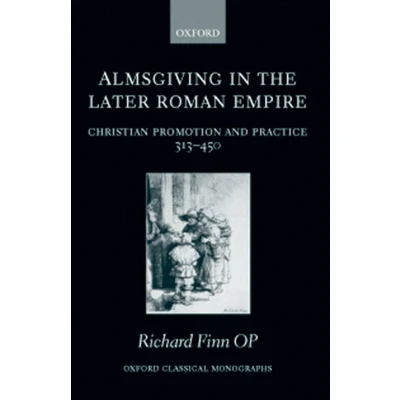
Oxford Classical Monographs Almsgiving in the Later Roman Empire
Uitgelicht

|
165,00 |
Naar shop
|
 Beschrijving
Bol
Talks about the importance of gifts to the poor for Christians in the later Roman empire. This title is about what was given, how it was given, who was helped, and how preachers sought to shape these practices. Richard Finn OP examines the significance of almsgiving in Churches of the later empire for the identity and status of the bishops, ascetics, and lay people who undertook practices which differed in kind and context from the almsgiving practised by pagans. It reveals how the almsgiving crucial in constructing the bishop's standing was a co-operative task where honour was shared but which exposed the bishop to criticism and rivalry. Finn details how practices gained meaning from a discourse which recast traditional virtues of generosity and justice to render almsgiving a benefaction and source of honour, and how this pattern of thought and conduct interacted with classical patterns to generate controversy. He argues that co-operation and competition in Christian almsgiving, together with the continued existence of traditional euergetism, meant that, contrary to the views of recent scholars, Christian alms did not turn bishops into the supreme patrons of their cities.


Vergelijk aanbieders (1)

 Beschrijving
(1)
Beschrijving
(1)
Talks about the importance of gifts to the poor for Christians in the later Roman empire. This title is about what was given, how it was given, who was helped, and how preachers sought to shape these practices. Richard Finn OP examines the significance of almsgiving in Churches of the later empire for the identity and status of the bishops, ascetics, and lay people who undertook practices which differed in kind and context from the almsgiving practised by pagans. It reveals how the almsgiving crucial in constructing the bishop's standing was a co-operative task where honour was shared but which exposed the bishop to criticism and rivalry. Finn details how practices gained meaning from a discourse which recast traditional virtues of generosity and justice to render almsgiving a benefaction and source of honour, and how this pattern of thought and conduct interacted with classical patterns to generate controversy. He argues that co-operation and competition in Christian almsgiving, together with the continued existence of traditional euergetism, meant that, contrary to the views of recent scholars, Christian alms did not turn bishops into the supreme patrons of their cities.
 Productspecificaties
| EAN |
|
|---|---|
| Maat |
|
 Prijshistorie
Prijzen voor het laatst bijgewerkt op:
 Gerelateerde resultaten


