


€ 188,00 Gratis verzending

Uitgelicht
|
|
188,00 |
Naar shop
|
| VERGELIJK ALLE AANBIEDERS (1) | ||
 Beschrijving
Vergelijk aanbieders (1)
€ 188,00 Gratis verzending
Winkels met andere maten
Beschrijving
(1)
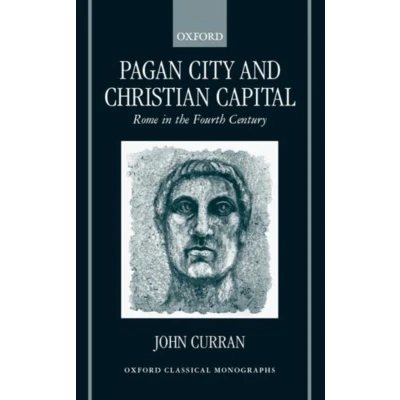
This book is a study of the transformation of the landscape, civic life, and moral values of the pagan city of Rome following the conversion of the emperor Constantine in the early fourth century. It examines the effects of the rise of Christianity and the decline of paganism in the later Roman empire. The critical century between the arrival of Constantine and the advance of Alaric in the early fifth century witnessed dramatic changes in the city of Rome. In this book Dr Curran has broken away from the usual notions of religious conflict between Christians and pagans, to focus on a number of approaches to the Christianization of Rome. He surveys the laws and political considerations which governed the building policy of Constantine and his successors, the effect of papal building and commemorative constructions on Roman topography, the continuing ambivalence of the Roman festal calendar, and the conflict between Christians over asceticism and 'real' Christianity. Thus using analytical, literary, and legal evidence Dr Curran explains the way in which the landscape, civic life, and moral values of Rome were transformed by complex and sometimes paradoxical forces, laying the foundation for the capital of medieval Christendom. Through a study of Rome as a city Dr Curran explores the rise of Christianity and the decline of paganism in the later Roman empire.
 Productspecificaties
| EAN |
|
|---|---|
| Maat |
|
 Prijshistorie
 Prijzen voor het laatst bijgewerkt op:
 Gerelateerde resultaten


