


€ 153,00 Gratis verzending

Uitgelicht
|
|
153,00 |
Naar shop
|
| VERGELIJK ALLE AANBIEDERS (1) | ||
 Beschrijving
Vergelijk aanbieders (1)
€ 153,00 Gratis verzending
Winkels met andere maten
Beschrijving
(1)
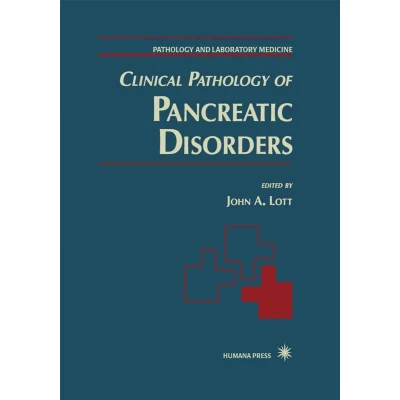
Loss of the exocrine (digestive) func tions commonly leads to severe gastrointestinal disturbances, malabsorption, a cata bolic state, and weight loss in the face of an adequate diet. Loss of endocrine pancreatic function leads to a large spectrum of disorders associated with the loss of hormone secretions; In Clinical Pathology of Pancreatic Disorders, leading medical authorities comprehensively survey the various types of pancreatic disorders amenable to clinical laboratory tests and review in detail how these tests are used for the diagnosis, prognosis, and management of patients. The diseases covered in depth range from endocrine, neoplastic, and exocrine disorders to inflammatory and chronic disorders, and include diabetes, the digestive disturbances associated with pancreatic insufficiency, and current trends in pancreas transplantation. The laboratory tests detailed here for each disorder have been chosen for their high sensitivity and specificity; many are also excellent for monitoring the efficacy of treatment. Clinical Pathology of Pancreatic Disorders brings together in one place the most detailed and comprehensive tutorial review of pancreatic clinical pathology available in a single volume. It will serve today's physicians-particularly gastroenterologists and clinical pathologists-as a unique and indispensable resource for understanding and applying the newest techniques in pancreatic pathology and physiology. The pancreas is about the size and shape of the hand; the tail points to the spleen, and the head is nestled in a loop of the duodenum. Loss of the exocrine (digestive) func tions commonly leads to severe gastrointestinal disturbances, malabsorption, a cata bolic state, and weight loss in the face of an adequate diet. Loss of endocrine pancreatic function leads to a large spectrum of disorders associated with the loss of hormone secretions; the most common and most severe is diabetes mellitus. Loss of the entire pancreas owing to trauma, surgery, atherosclerosis, or other medical problems leaves the patient in a digestive and metabolic crisis. The correct diagnosis of pancreatic disorders remains a challenge given the multi faceted function of the pancreas. The clinical laboratory plays an important role, and other tools such as CAT scans, ultrasound, radiographs, biopsies, and even surgery are used to make a diagnosis. The emphasis of Clinical Pathology of Pancreatic Disorders is on the clinical laboratory definition of pancreatic pathology. Disorders of the endocrine pancreas can be highly complex, and sophisticated tests are needed to determine the nature of the disease, its prognosis, and its optimal treat ment. Diabetes is the most common of the endocrine diseases; it presents in many ways, and has varied etiologies. We now know that the diabetes of childhood is usually an autoimmune disease, and this has a major effect on the treatment of these individuals.
 Productspecificaties
| EAN |
|
|---|---|
| Maat |
|
 Prijshistorie
 Prijzen voor het laatst bijgewerkt op:
 Gerelateerde resultaten


