


€ 38,99 Gratis verzending

Uitgelicht
|
|
38,99 |
Naar shop
|

|
54,09 |
Naar shop
|
| VERGELIJK ALLE AANBIEDERS (2) | ||
 Beschrijving
Vergelijk aanbieders (2)
€ 38,99 Gratis verzending
€ 54,09 € 6,73 verzendkosten Totaal € 60,82
Winkels met andere maten
Beschrijving
(1)
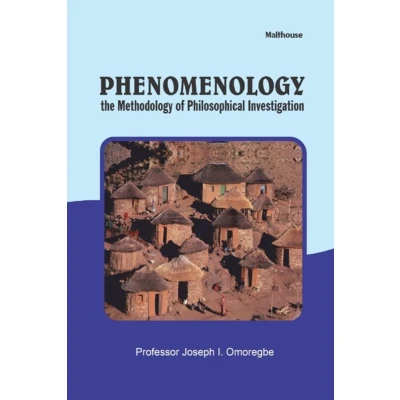
Phenomenology is the methodology of philosophical investigation developed by Edmund Husserl. Phenomenology demands an un-biased, un-prejudiced, open-minded approach to the object of investigation, in order to have an objective perception of the object. To do this the investigator has to perform a "phenomenological reduction" on himself by "putting between brackets" (i.e., putting aside) all his previous ideas, bias, likes and dislikes, prejudices, etc., concerning the object of his investigation, so that the result would be objective and reliable. In addition to performing a "phenomenological reduction" on himself, the investigator also has to perform an "eidetic reduction" on the object of his investigation by removing from it all features in it that are not part of its nature, and not essential to its nature, in order to focus on the essence(the true nature) of the object which will now appear to the unbiased mind of the investigator. This book is a systematic study of this philosophical methodology and its application to the investigation of some other academic disciplines.Phenomenology is the methodology of philosophical investigation developed by Edmund Husserl. Phenomenology demands an un-biased, un-prejudiced, open-minded approach to the object of investigation, in order to have an objective perception of the object. To do this the investigator has to perform a "phenomenological reduction" on himself by "putting between brackets" (i.e., putting aside) all his previous ideas, bias, likes and dislikes, prejudices, etc., concerning the object of his investigation, so that the result would be objective and reliable. In addition to performing a "phenomenological reduction" on himself, the investigator also has to perform an "eidetic reduction" on the object of his investigation by removing from it all features in it that are not part of its nature, and not essential to its nature, in order to focus on the essence(the true nature) of the object which will now appear to the unbiased mind of the investigator. This book is a systematic study of this philosophical methodology and its application to the investigation of some other academic disciplines.
 Prijshistorie
 * Prijshistorie bevat geen data van Amazon.
Prijzen voor het laatst bijgewerkt op:
 Gerelateerde resultaten
 Productspecificaties


