


€ 145,00 Gratis verzending

Uitgelicht
|
|
145,00 |
Naar shop
|

|
237,99 |
Naar shop
|
| VERGELIJK ALLE AANBIEDERS (2) | ||
 Beschrijving
Vergelijk aanbieders (2)
€ 145,00 Gratis verzending
€ 237,99 Gratis verzending
Winkels met andere maten
Beschrijving
(1)
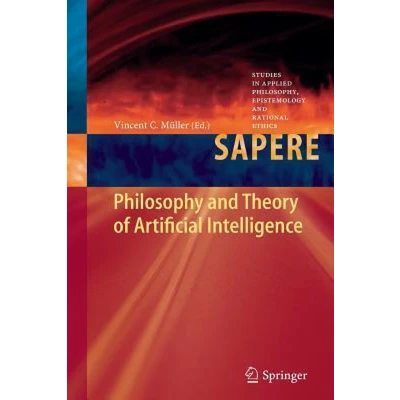
This consensus has now come under threat and the agenda for the philosophy and theory of AI must be set anew, re-defining the relation between AI and Cognitive Science. Can we make machines that think and act like humans or other natural intelligent agents? The answer to this question depends on how we see ourselves and how we see the machines in question. Classical AI and cognitive science had claimed that cognition is computation, and can thus be reproduced on other computing machines, possibly surpassing the abilities of human intelligence. This consensus has now come under threat and the agenda for the philosophy and theory of AI must be set anew, re-defining the relation between AI and Cognitive Science. We can re-claim the original vision of general AI from the technical AI disciplines; we can reject classical cognitive science and replace it with a new theory (e.g. embodied); or we can try to find new ways to approach AI, for example from neuroscience or from systems theory. To do this, we must go back to the basic questions on computing, cognition and ethics for AI. The 30 papers in this volume provide cutting-edge work from leading researchers that define where we stand and where we should go from here. Can we make machines that think and act like humans or other natural intelligent agents? The answer to this question depends on how we see ourselves and how we see the machines in question. Classical AI and cognitive science had claimed that cognition is computation, and can thus be reproduced on other computing machines, possibly surpassing the abilities of human intelligence. This consensus has now come under threat and the agenda for the philosophy and theory of AI must be set anew, re-defining the relation between AI and Cognitive Science. We can re-claim the original vision of general AI from the technical AI disciplines; we can reject classical cognitive science and replace it with a new theory (e.g. embodied); or we can try to find new ways to approach AI, for example from neuroscience or from systems theory. To do this, we must go back to the basic questions on computing, cognition and ethics for AI. The 30 papers in this volume provide cutting-edge work from leading researchers that define where we stand and where we should go from here.
 Productspecificaties
| EAN |
|
|---|---|
| Maat |
|
 Prijshistorie
Prijzen voor het laatst bijgewerkt op:
 Gerelateerde resultaten


