

€ 26,63 Gratis verzending

Uitgelicht
|
|
26,63 |
Naar shop
|

|
26,72 |
Naar shop
|

|
30,99 |
Naar shop
|
| VERGELIJK ALLE AANBIEDERS (3) | ||
 Beschrijving
Vergelijk aanbieders (3)
€ 26,63 Gratis verzending
€ 26,72 Gratis verzending
€ 30,99 Gratis verzending
Winkels met andere maten
Beschrijving
(1)
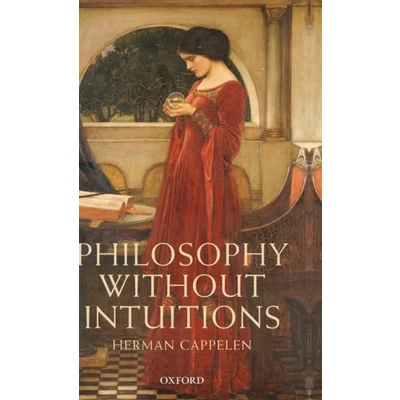
The standard view of philosophical methodology is that philosophers rely on intuitions as evidence. Herman Cappelen argues that this claim is false, and reveals how it has encouraged pseudo-problems, presented misguided ideas of what philosophy is, and misled exponents of metaphilosophy and experimental philosophy. The claim that contemporary analytic philosophers rely extensively on intuitions as evidence is almost universally accepted in current meta-philosophical debates and it figures prominently in our self-understanding as analytic philosophers. No matter what area you happen to work in and what views you happen to hold in those areas, you are likely to think that philosophizing requires constructing cases and making intuitive judgments about those cases. This assumption also underlines the entire experimental philosophy movement: only if philosophers rely on intuitions as evidence are data about non-philosophers' intuitions of any interest to us. Our alleged reliance on the intuitive makes many philosophers who don't work on meta-philosophy concerned about their own discipline: they are unsure what intuitions are and whether they can carry the evidential weight we allegedly assign to them. The goal of this book is to argue that this concern is unwarranted since the claim is false: it is not true that philosophers rely extensively (or even a little bit) on intuitions as evidence. At worst, analytic philosophers are guilty of engaging in somewhat irresponsible use of 'intuition'-vocabulary. While this irresponsibility has had little effect on first order philosophy, it has fundamentally misled meta-philosophers: it has encouraged meta-philosophical pseudo-problems and misleading pictures of what philosophy is.
 Prijshistorie
 * Prijshistorie bevat geen data van Amazon Marketplace, Amazon.
Prijzen voor het laatst bijgewerkt op:
 Gerelateerde resultaten
 Productspecificaties


